Collaborating for Digital Economy Growth Building a Better Intelligent World

Home Banner

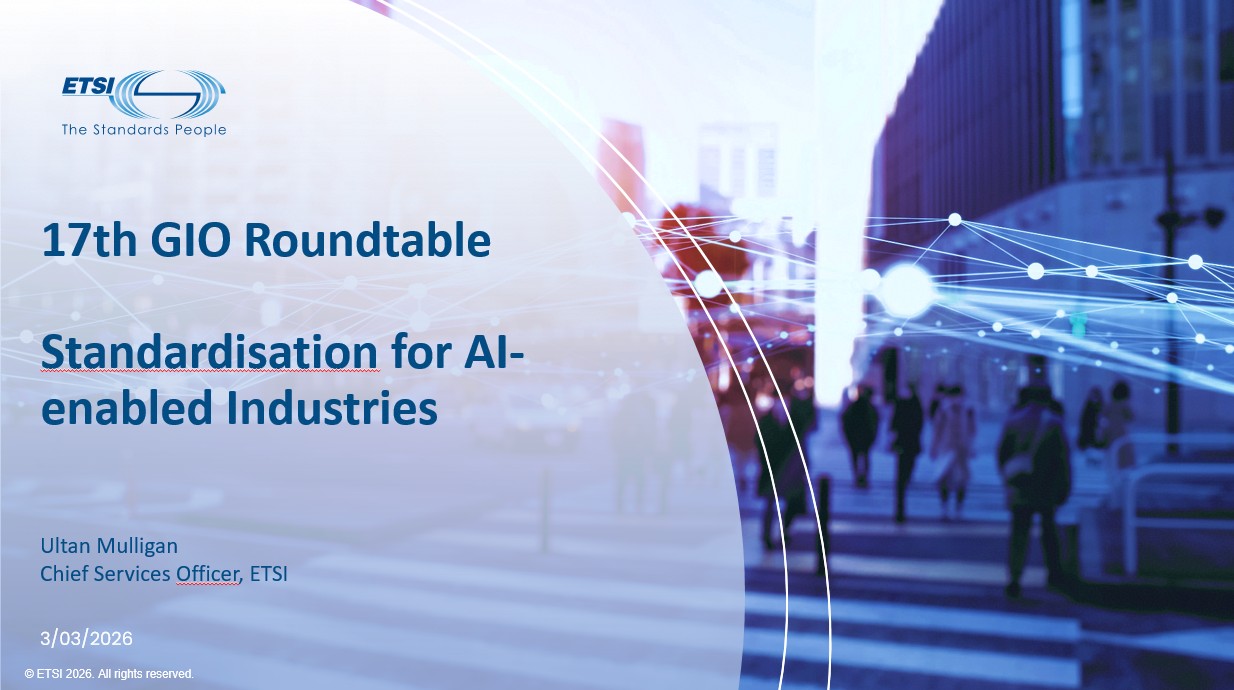
The 17th GIO Roundtable

Home Banner

Events

2026/03/03

The 17th GIO Roundtable

GIO Roundtables

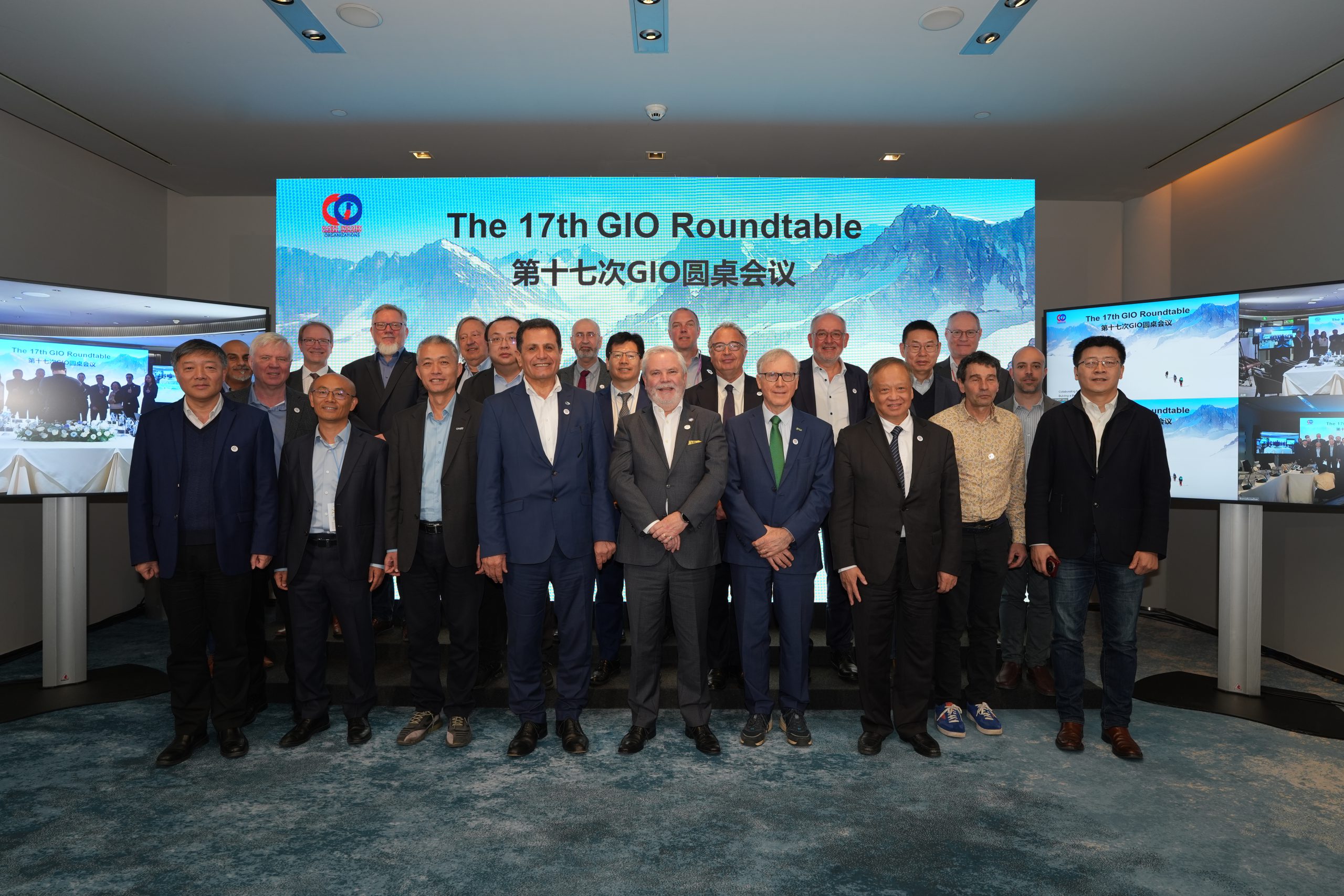
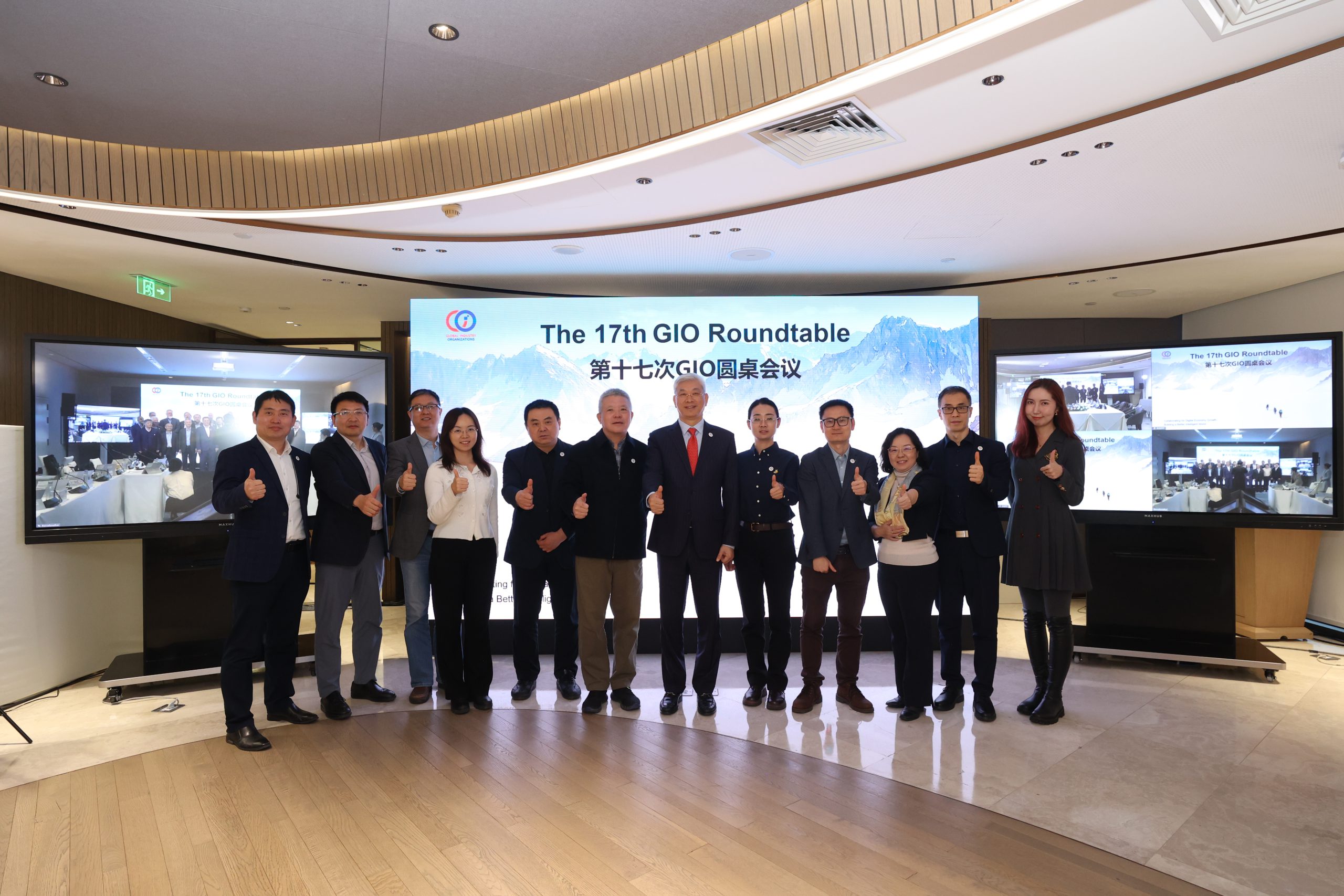
The 17th GIO Roundtable took place in Barcelona and Beijing on March 3, 2026 (Day 2 of MWC Barcelona 2026). This roundtable was on A Deep Dive into Industry’s Intelligent Development. Together, we discussed the key challenges, strategies, and trends impacting industrial digital transformation, as well as the elements that will support future intelligent development.

2025/09/18

The 16th GIO Roundtable

GIO Roundtables

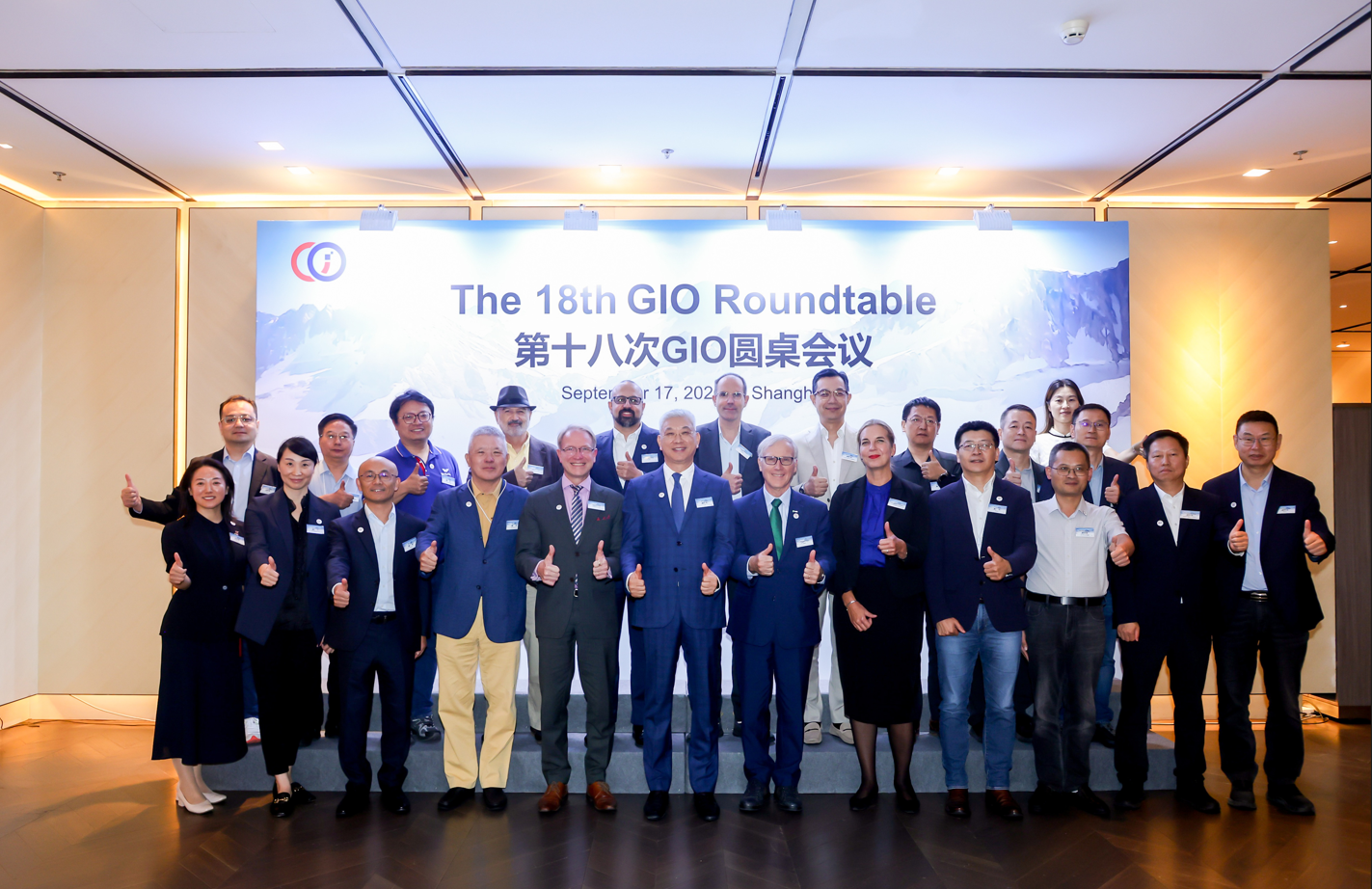
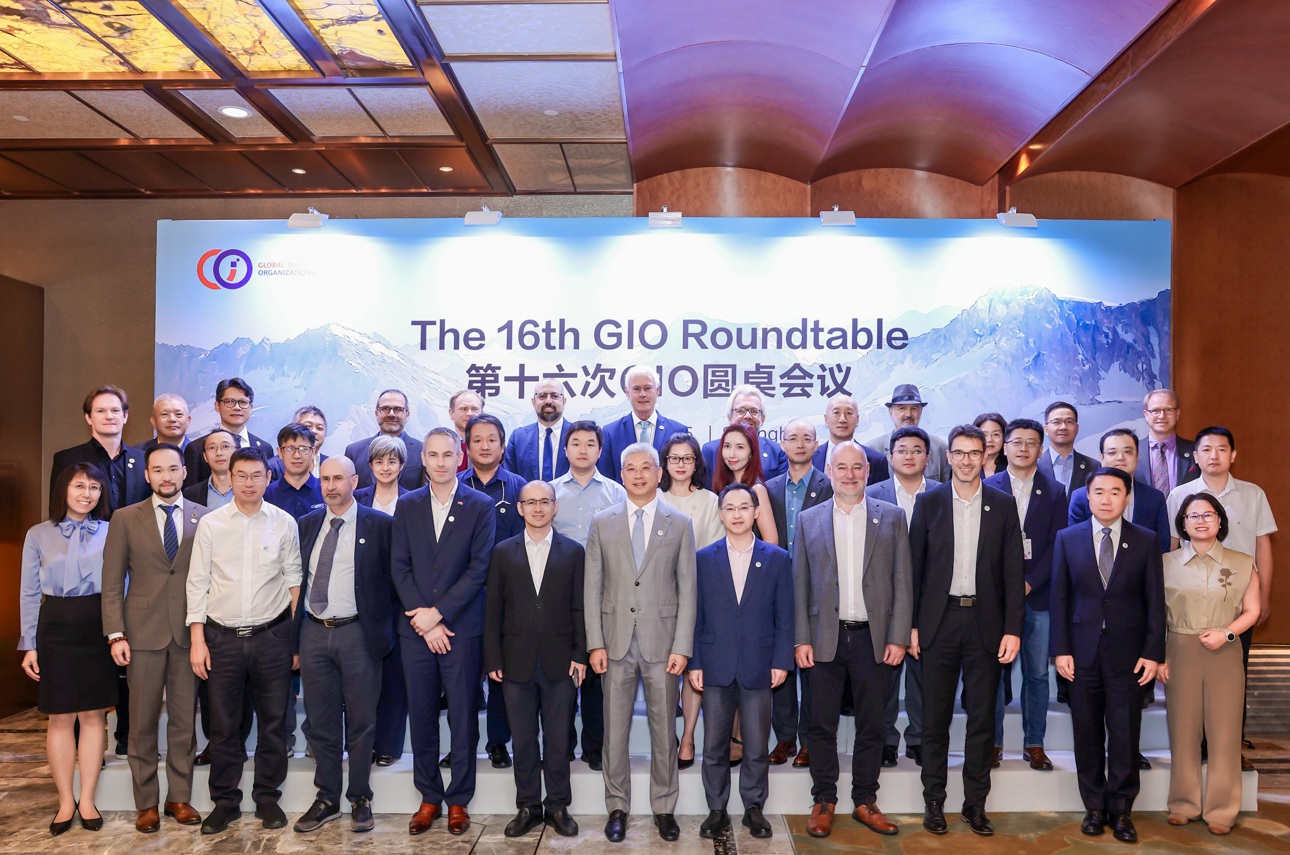
Focusing on Intelligent Transformation of Industries in the Al Era, the 16th GIO Roundtable took place in Shanghai from 15:00 to 19:00(UTC+8) on September 18. This roundtable discussed how intelligent transformation is changing different industries, as well as what key technologies, standardizations, and ecosystem demands must be met to fully embrace the Al era.

2025/03/04

The 15th GIO Roundtable

GIO Roundtables

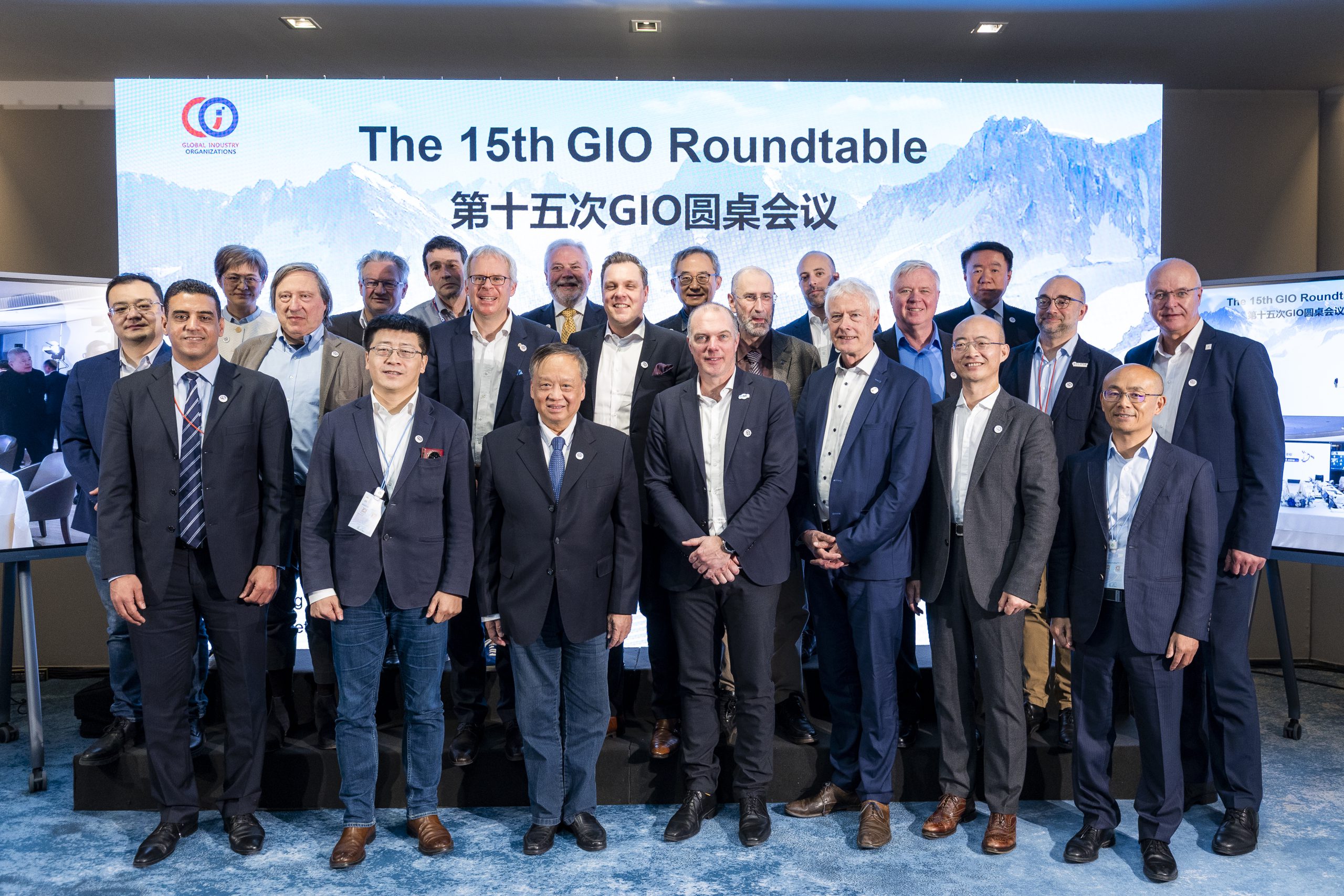
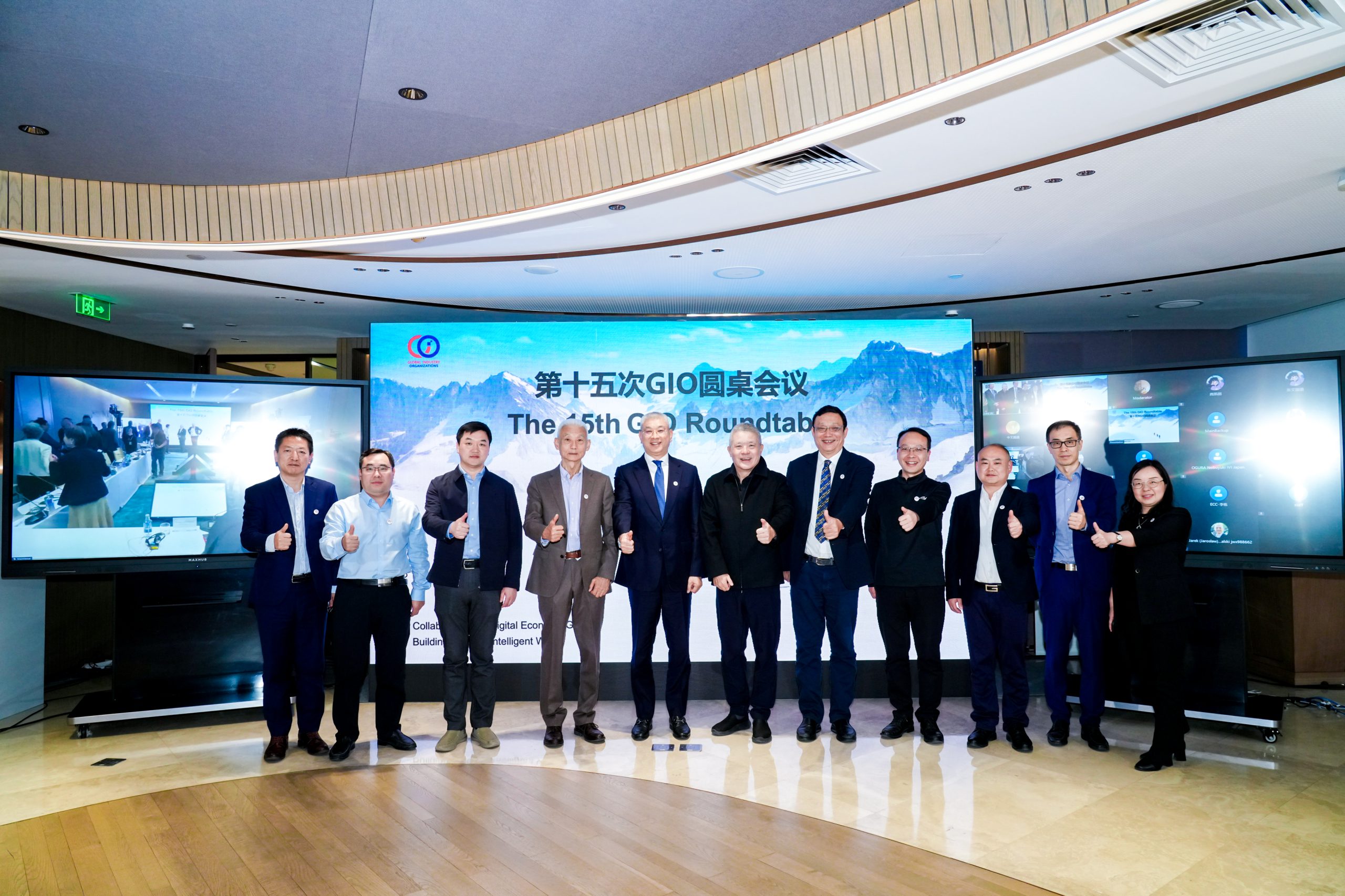
The 15th GlO Roundtable took place in Barcelona and Beijing from 9:00 to 13:00(CET) on March 4, 2025(Day2 of MWC2025). This Roundtable focused on New Opportunities and Challenges of Data Industry in the Intelligent Era.

2024/09/20

The 14th GIO Roundtable

GIO Roundtables

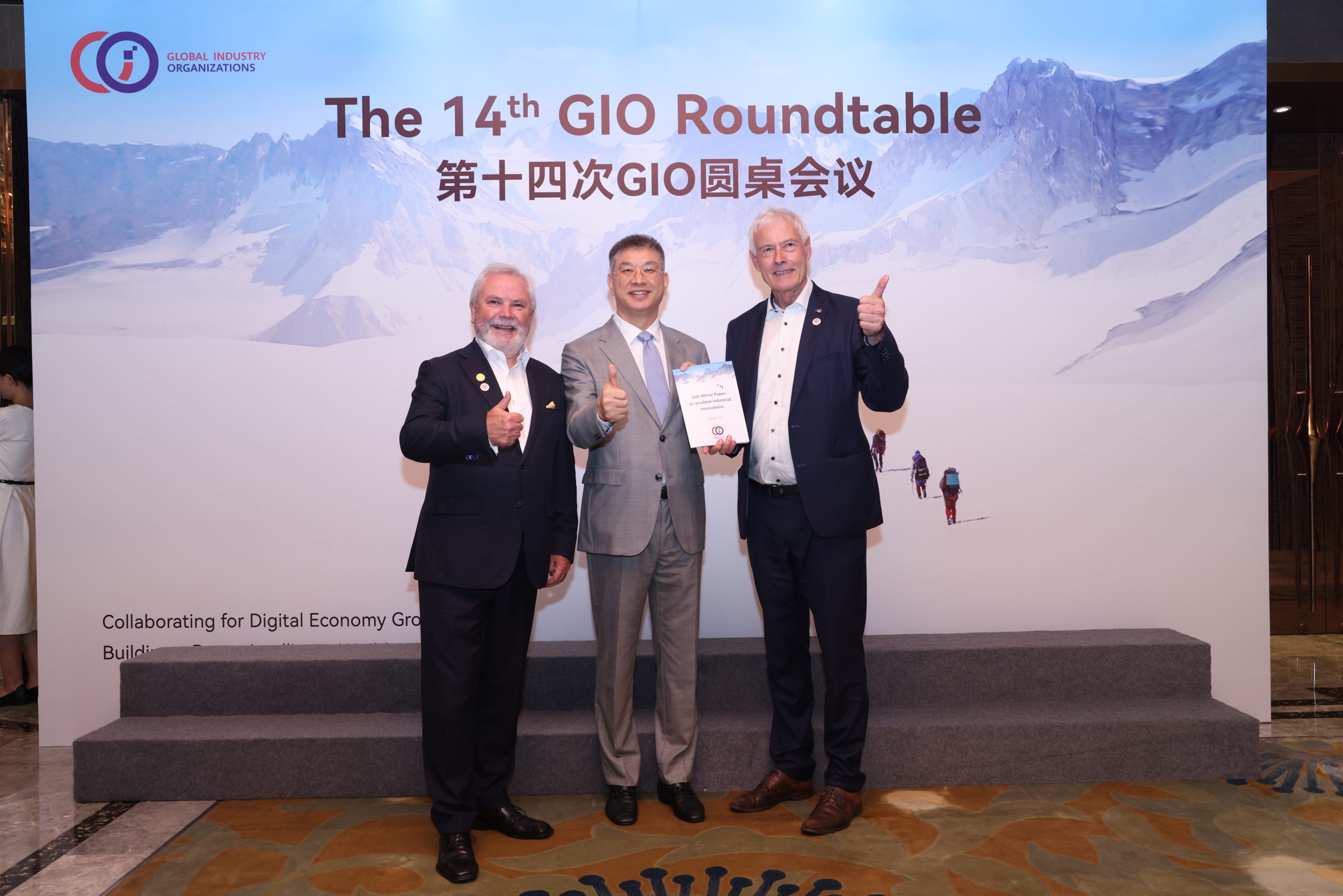
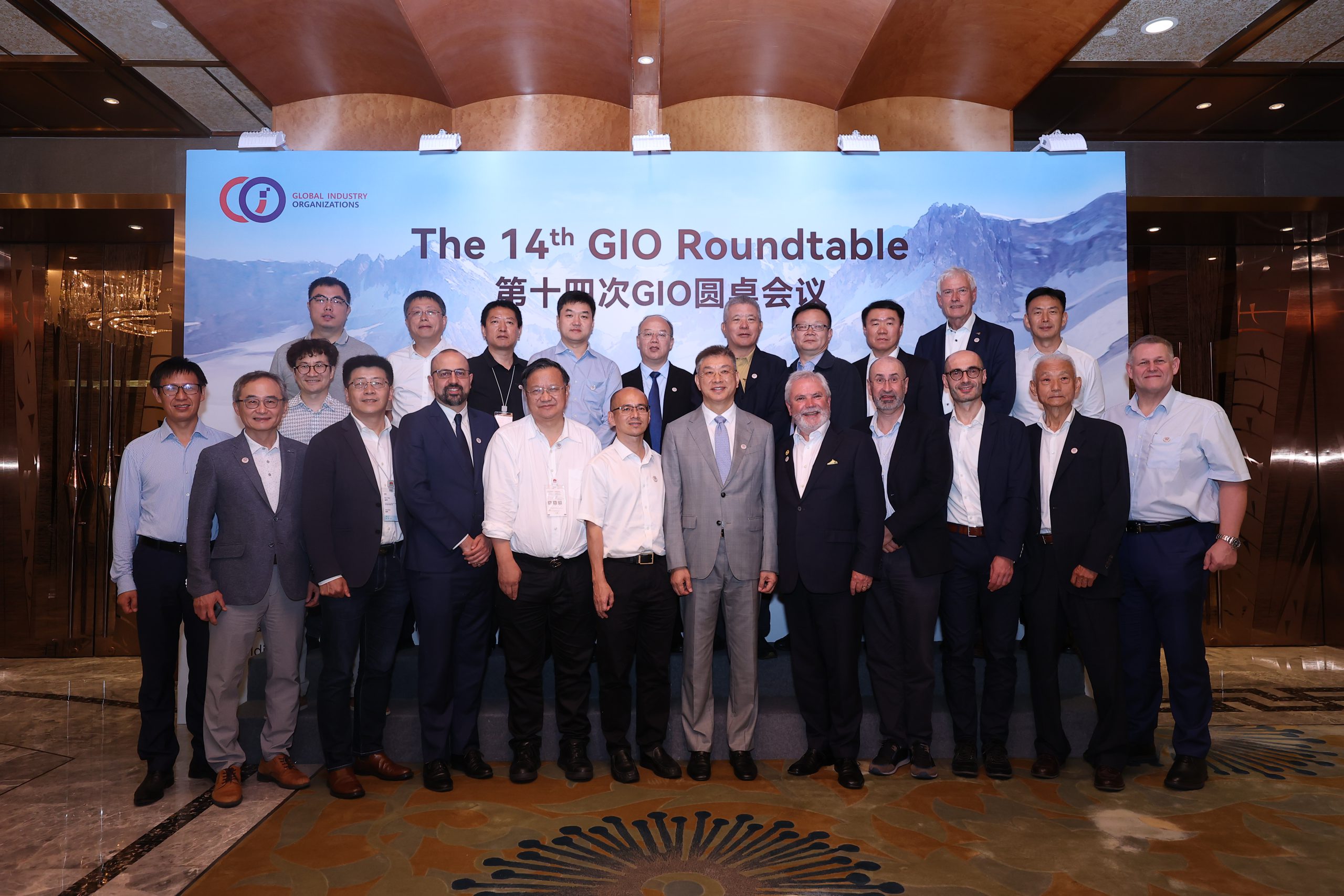
The 14th GIO Roundtable was held in Shanghai from 15:00 to 19:00 (Beijing time, UTC+8) on September 20, 2024. This roundtable explored the theme of “Enabling Progress at Industry Frontiers with AI”, and discussed how AI can facilitate the development of the digital economy.

2024/02/27

The 13th GIO Roundtable

GIO Roundtables

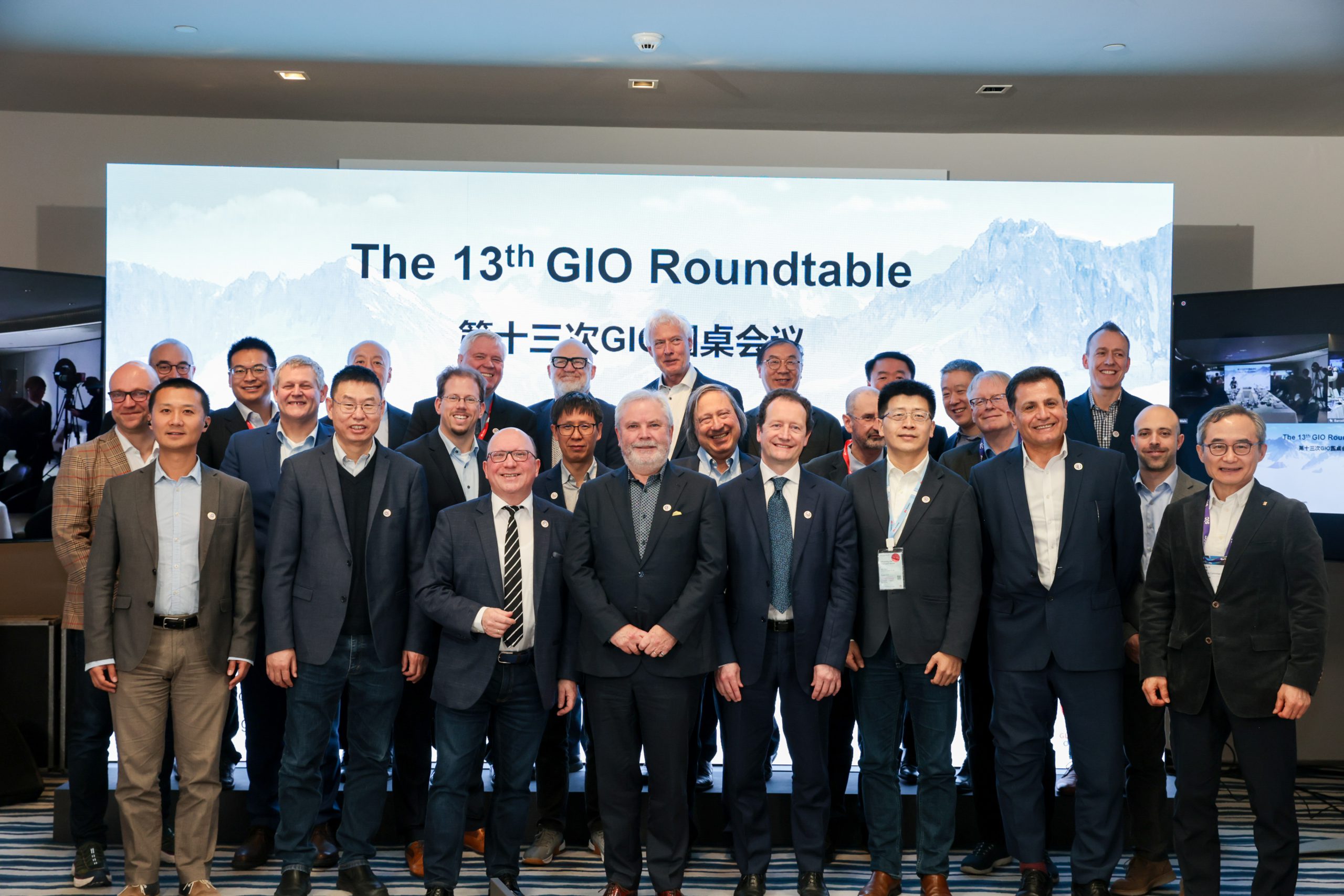
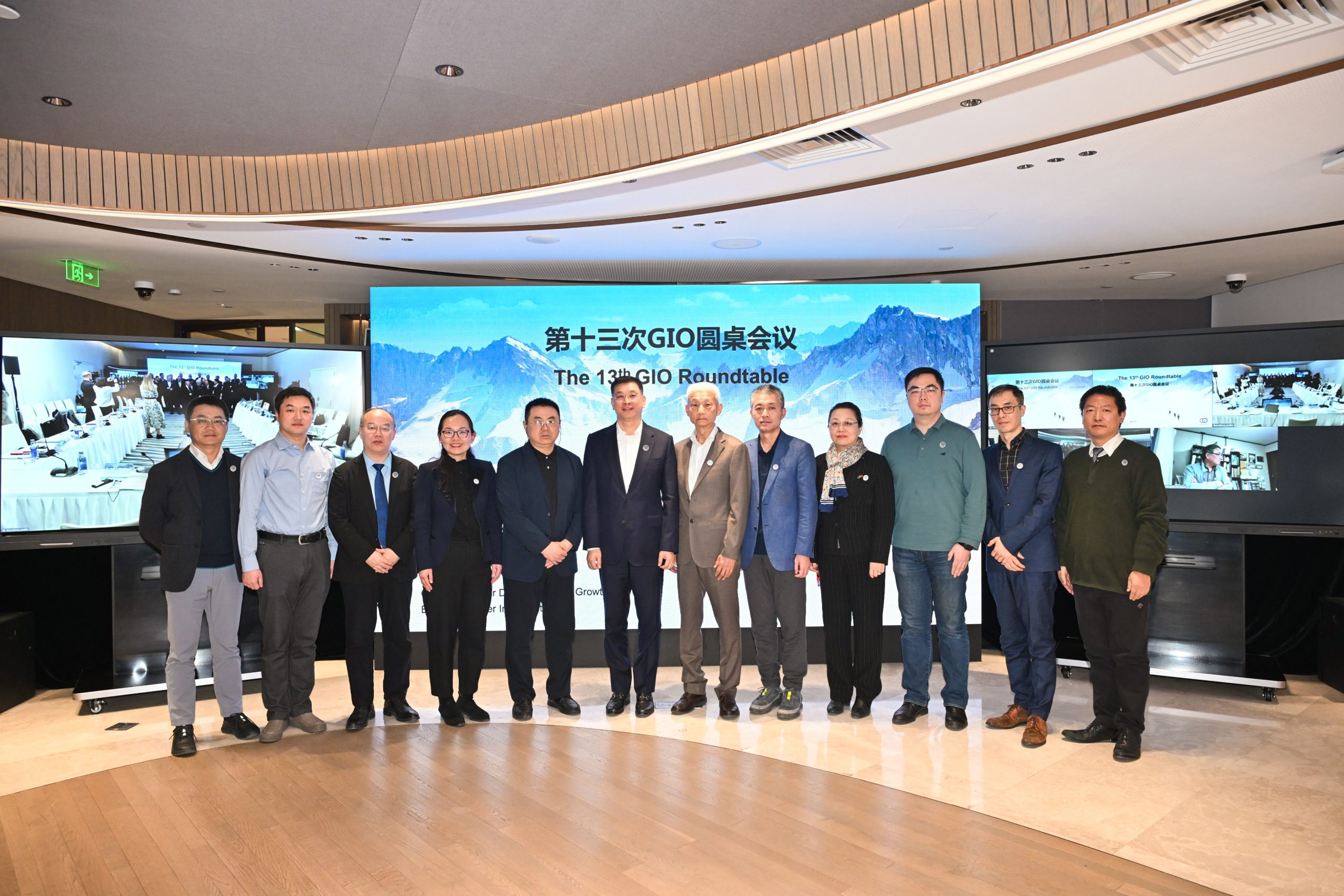
The 13th GIO Roundtable was held during the Mobile World Congress 2024, discussing topics related to the value of data in different industries.

2023/09/20

The 12th GIO Roundtable

GIO Roundtables

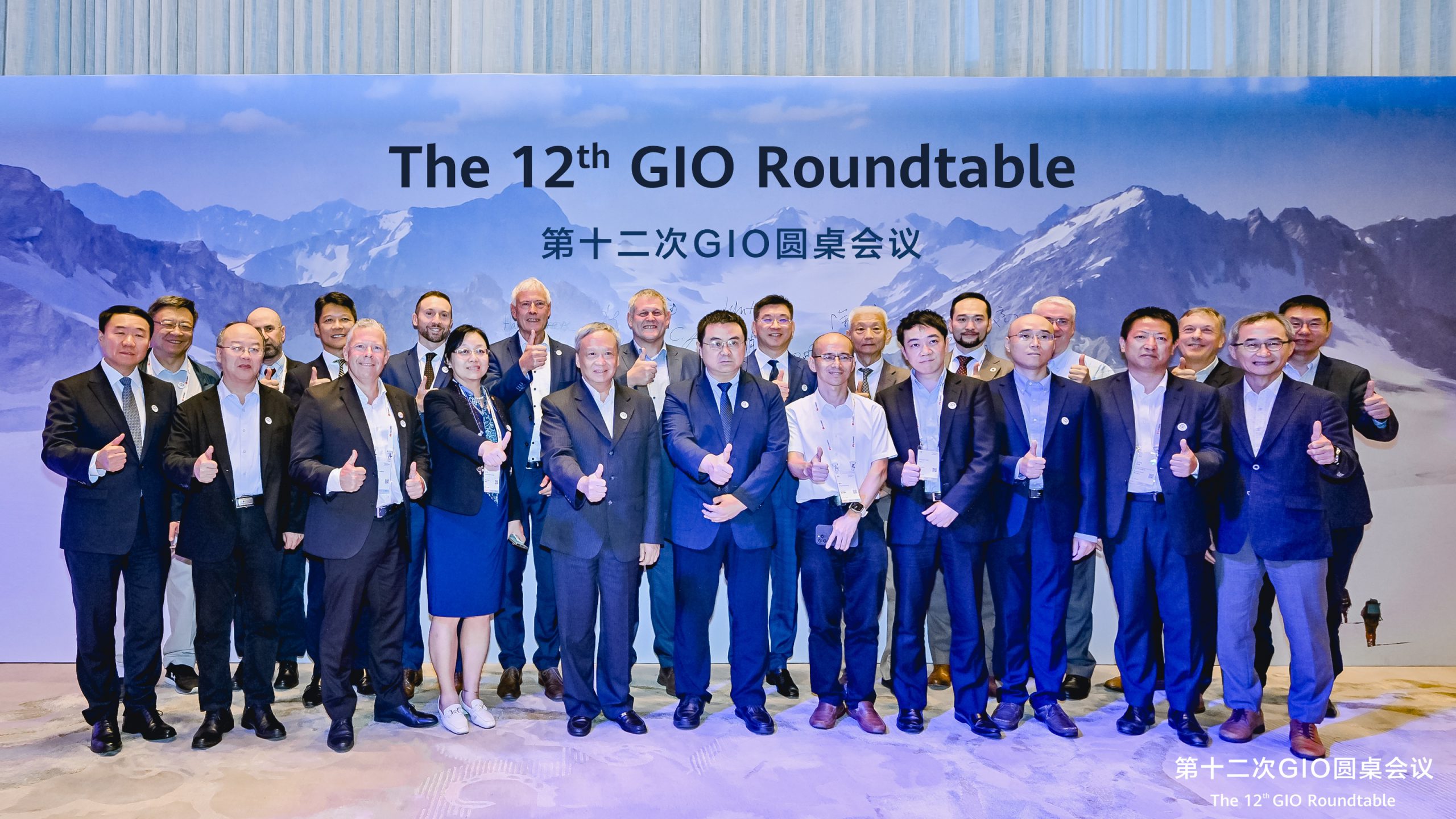
The 12th GIO Roundtable was held on September 20, 2023. The theme of this Roundtable was “Fast-tracking Industry Digitalization with AI “.

GIO Roundtables

The 17th GIO Roundtable took place in Barcelona and Beijing on March 3, 2026 (Day 2 of MWC Barcelona 2026). This roundtable was on A Deep Dive into Industry’s Intelligent Development. Together, we discussed the key challenges, strategies, and trends impacting industrial digital transformation, as well as the elements that will support future intelligent development.

GIO Roundtables

Focusing on Intelligent Transformation of Industries in the Al Era, the 16th GIO Roundtable took place in Shanghai from 15:00 to 19:00(UTC+8) on September 18. This roundtable discussed how intelligent transformation is changing different industries, as well as what key technologies, standardizations, and ecosystem demands must be met to fully embrace the Al era.

GIO Roundtables

The 15th GlO Roundtable took place in Barcelona and Beijing from 9:00 to 13:00(CET) on March 4, 2025(Day2 of MWC2025). This Roundtable focused on New Opportunities and Challenges of Data Industry in the Intelligent Era.

GIO Roundtables

The 14th GIO Roundtable was held in Shanghai from 15:00 to 19:00 (Beijing time, UTC+8) on September 20, 2024. This roundtable explored the theme of “Enabling Progress at Industry Frontiers with AI”, and discussed how AI can facilitate the development of the digital economy.

GIO Roundtables

The 13th GIO Roundtable was held during the Mobile World Congress 2024, discussing topics related to the value of data in different industries.

GIO Roundtables

The 12th GIO Roundtable was held on September 20, 2023. The theme of this Roundtable was “Fast-tracking Industry Digitalization with AI “.

Expert View

William Xu
GIO
Since its inception during MWC 2018, GIO has been dedicated to fostering exchanges and cooperation among industry organizations, promoting common frameworks and standards to break down silos and achieve interoperability. As AI profoundly transforms industries, the focus has shifted from digital transformation to intelligent empowerment. We should embrace AI with a positive attitude, leveraging its potential to surpass human capabilities and empower industries — driving higher efficiency, lower costs, and better products. At the same time, we must address potential risks related to accuracy and security through global collaboration. GIO will continue to serve as an open platform for sharing experiences and building consensus, helping industry organizations stay connected and aligned in a complex environment. Our goal is to support the development of unified, open standards that contribute to the growth of industries worldwide.
Rui Luis Aguiar
NetworldEurope
AI is moving from static models toward agentic AI, and the real challenges lie in trust, coordination, and control across multi-agent systems. Everyone is holding onto their own datasets and closed ecosystems, with no unified standards or safety mechanisms. To move toward commercialization, we must rely on strategic partnerships and trust-building within supply chains; otherwise, a loss of control or a simple misstep could lead to systemic failures. As we advance agentic AI, we must prioritize ecosystem integrity and robust safeguards.
Peng Zeng
Shenyang Institute of Automation, Chinese Academy of Sciences
Manufacturing is transitioning toward intelligence, green development, and integration. Artificial intelligence will drive the shift from automation to intelligent manufacturing, enabling a closed-loop data and decision-making process across the entire lifecycle. Current challenges include data silos, model deployability, trust and compliance, as well as organizational alignment. The future will unfold in three stages — point-based intelligence, process intelligence, and system intelligence — leading to autonomous factories and adaptive supply chains.
Olivier Chiabodo
UWA / The Explorers
AI significantly reduces time and cost across all stages of ultra-high-definition content production, from pre-production to color grading, encoding, and storage. Key challenges facing the industry include the difficulty of distinguishing AI-generated content, highlighting the urgent need for a unified labeling system, as well as the massive volume of ultra-high-definition data, which continues to pose pressure on storage and metadata management.
Libiao Wang
Huawei
AI is evolving from a tool into a partner, driving the Fourth Industrial Revolution across industries and reshaping finance, energy, manufacturing, healthcare, and transportation. Huawei’s “ACT” approach focuses on high-value scenarios, industry-specific models, and AI agent deployment to build enterprise-grade AI architecture. AI will accelerate human-machine collaboration and shape a fully intelligent world, calling for an open ecosystem to achieve shared success.
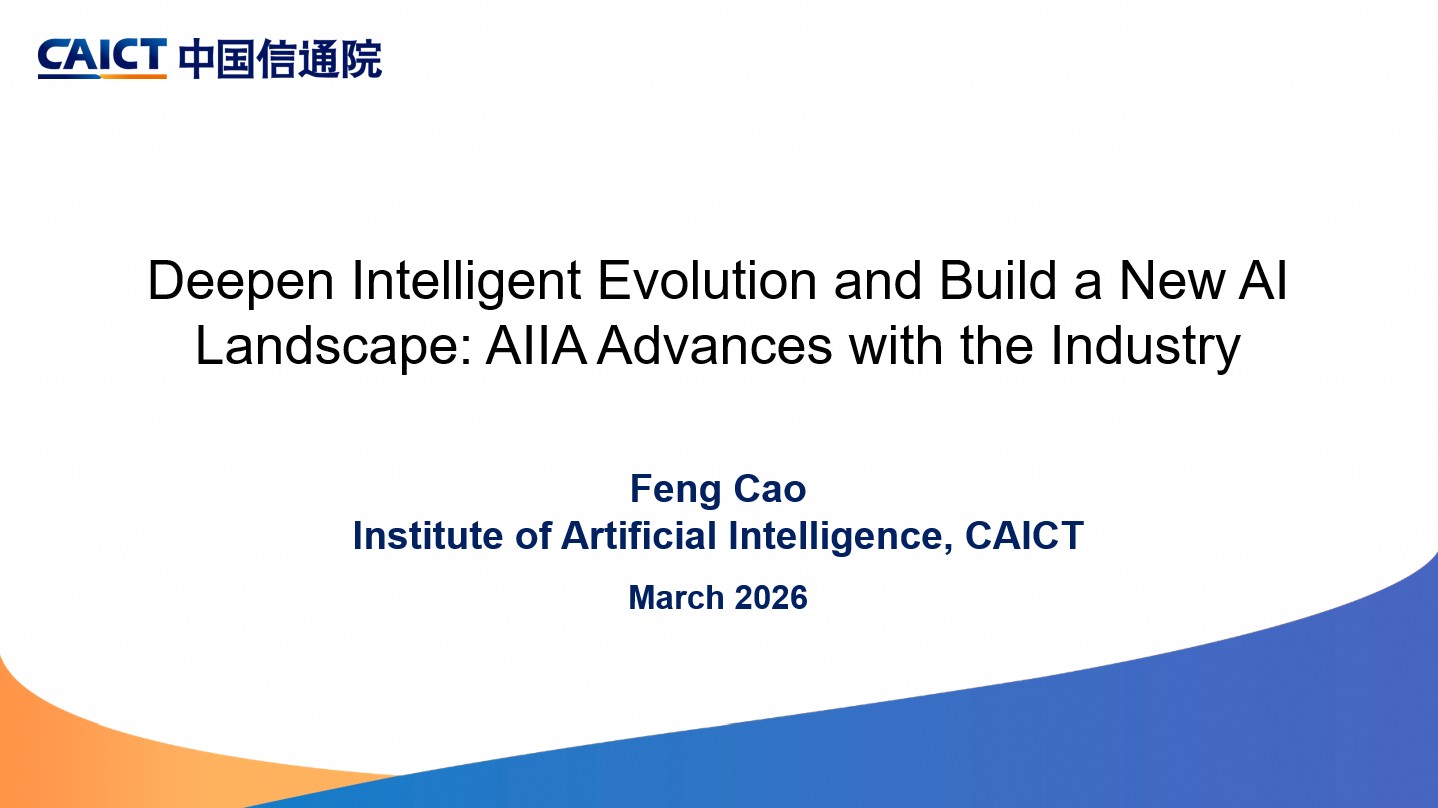
Feng Cao
CAICT
We have witnessed artificial intelligence evolve from isolated applications to deep industry integration driven by the flywheel effect of data, models, and applications. On the technology front, reasoning models and agent engineering are advancing rapidly; on the application front, the shift from “+AI” to “AI+” is delivering efficiency gains across entire scenarios. Key challenges remain in infrastructure adaptation, high-quality data engineering, industry-specific model migration, and agent architecture integration. CAICT and the Artificial Intelligence Industry Alliance (AIIA) will continue working with the industry to promote deep integration of AI technologies with various sectors, establish systematic pathways for intelligent transformation, and achieve agile iteration with closed-loop value creation.
Qun Zhang
CESI
From a data-centric perspective, CESI supports the data industry and sectoral applications by aligning with the policy framework of the National Data Bureau and advancing standardization for efficient use of data resources. We build data infrastructure with a focus on interoperability and unified identification, promote trusted data spaces and computing power systems, and prioritize high-quality datasets to establish methodologies and evaluation standards for “Data for AI”. We also cultivate the data factor ecosystem, facilitate data productization and circulation, and actively engage in international standardization efforts while deepening exchanges with Europe on data spaces. Through the national standardization technical committee, we systematically advance standards for data governance, technology, and sectoral applications.
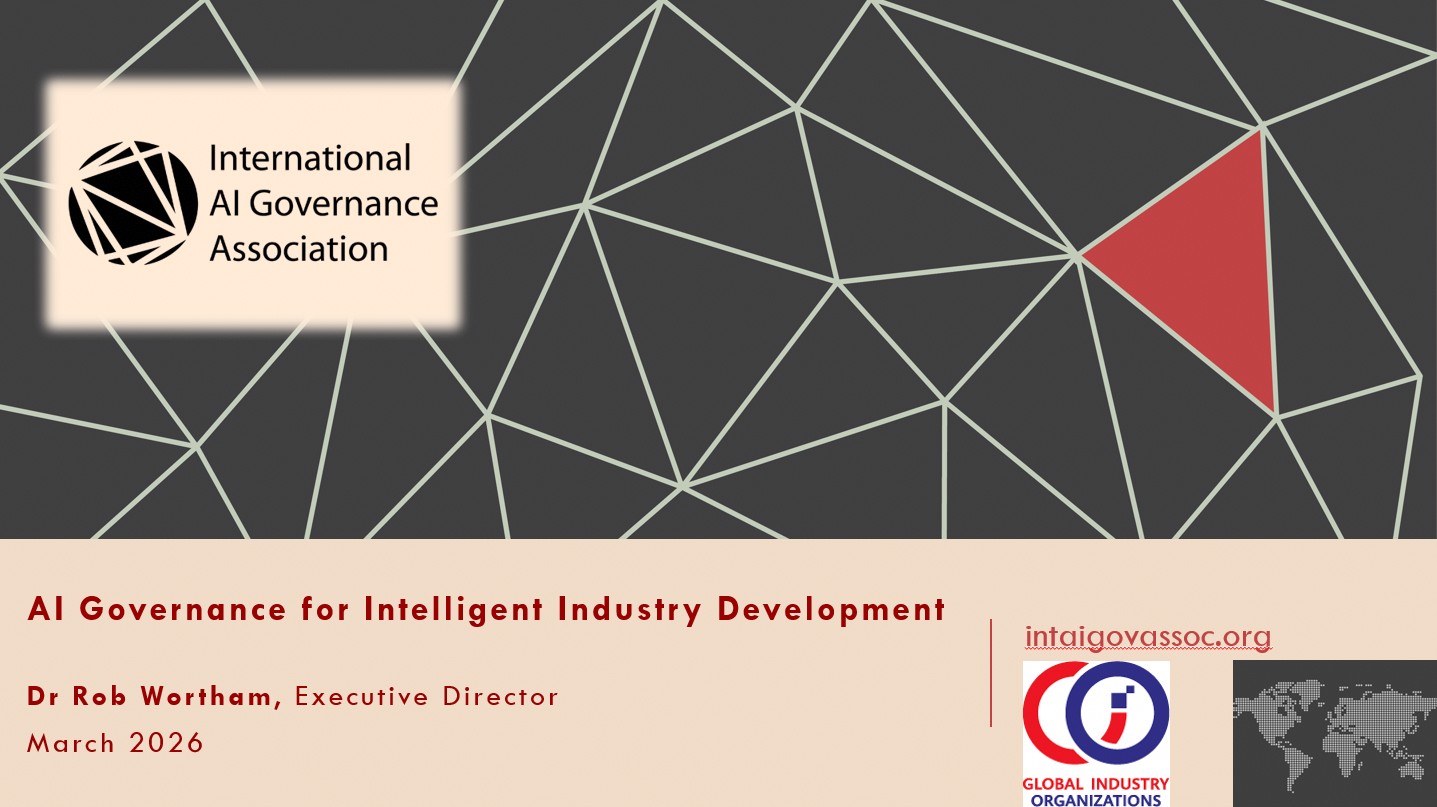
Rob Wortham
International AI Governance Association
AI adoption is growing rapidly, yet governance consistently lags behind. Governance should not be seen merely as a compliance obligation but as a key enabler of opportunity. By establishing a governance framework grounded in standards and risk management, organizations can scale AI innovation safely, build value chain partnerships, and enhance model performance and security. The International AI Governance Association works to promote global harmonization, reduce fragmentation across regions, and has delivered practical outputs such as the Multi-Actor Governance Framework, a layered approach to transparency, and cybersecurity governance guidance. Governance must be embedded throughout the full AI lifecycle — from design to retirement — serving as a foundational element for responsible and sustainable development.

News

Documents
Snapshots