The 16th GIO Roundtable

September 18, 2025
Shanghai
past event banner

Events Introduce

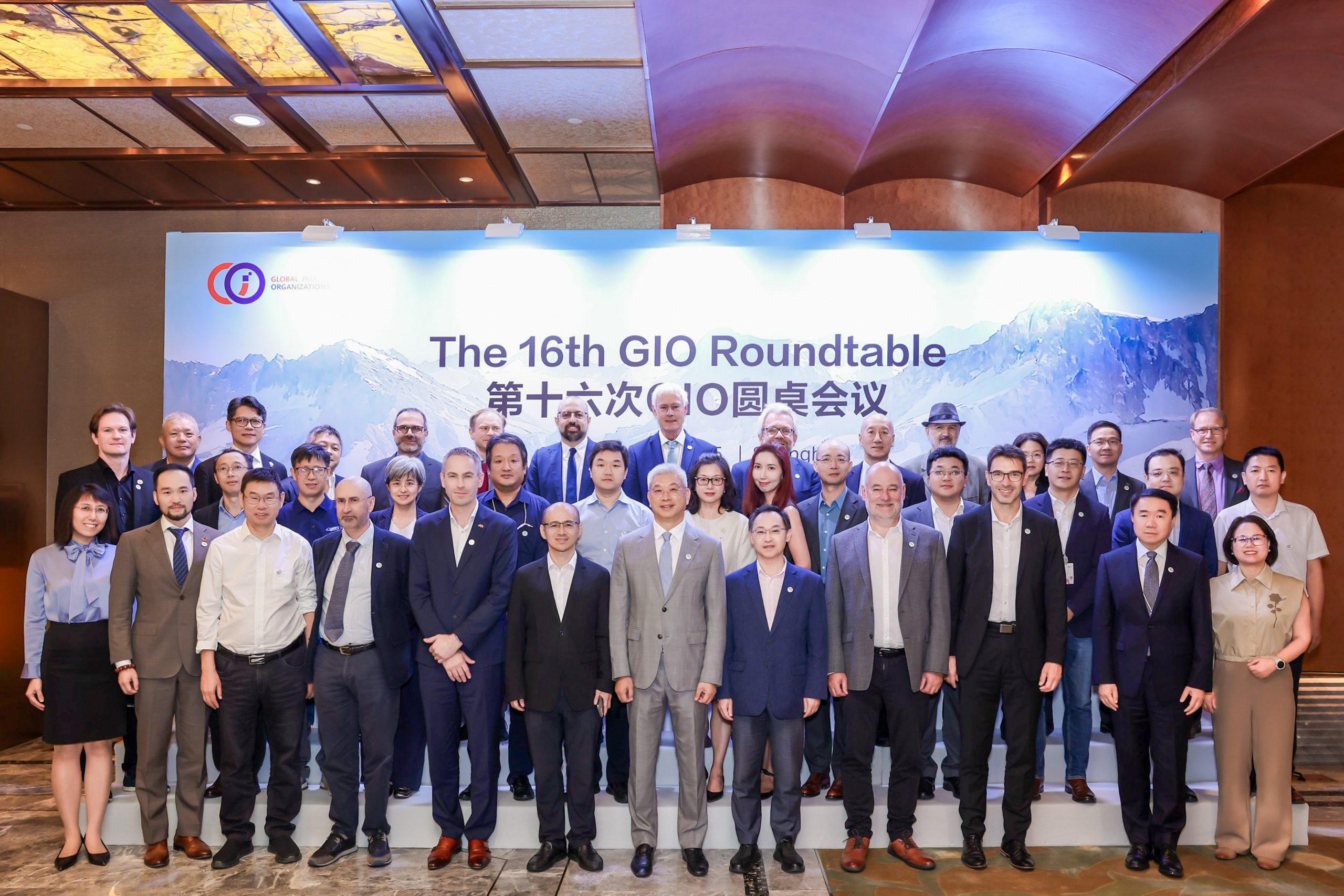
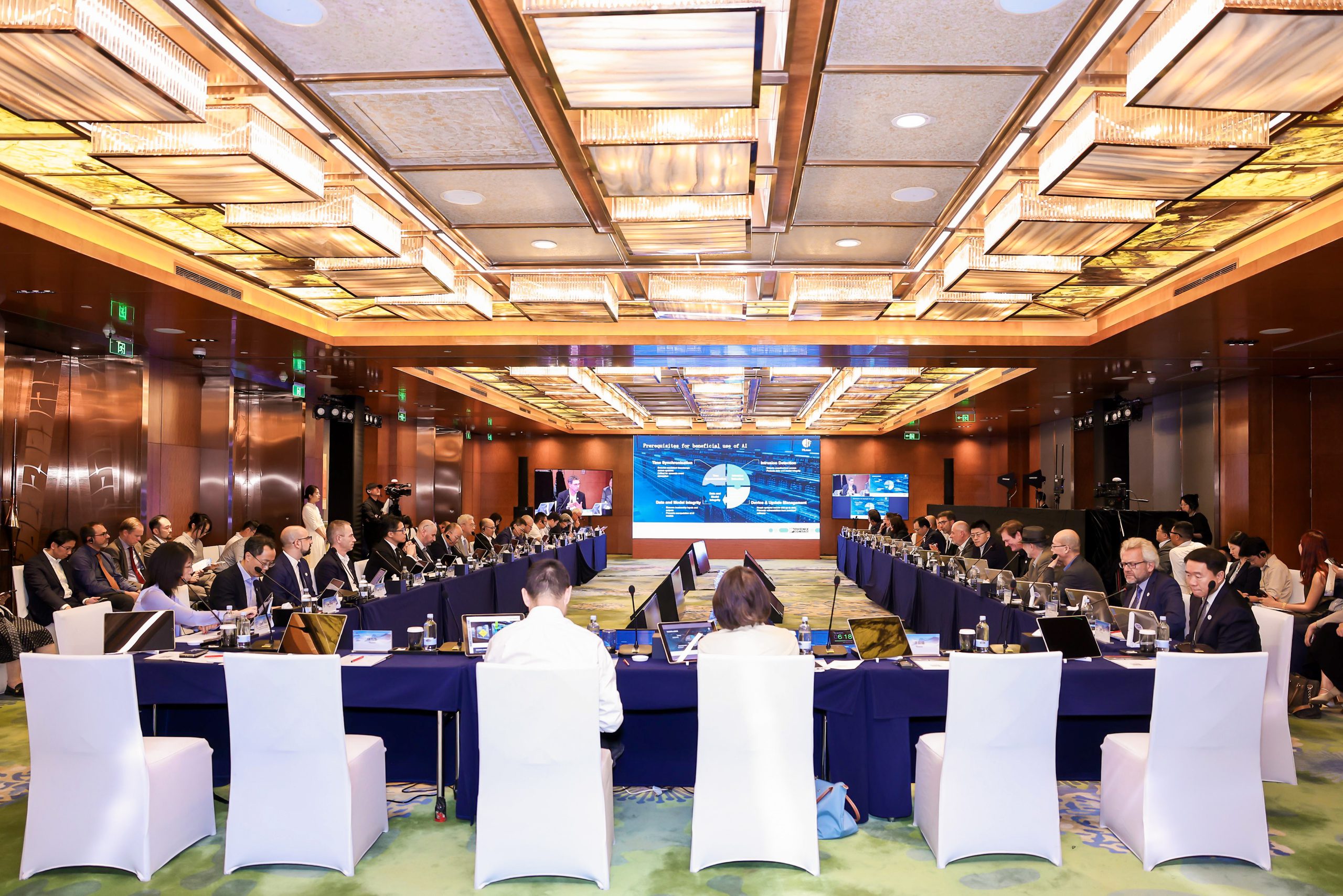
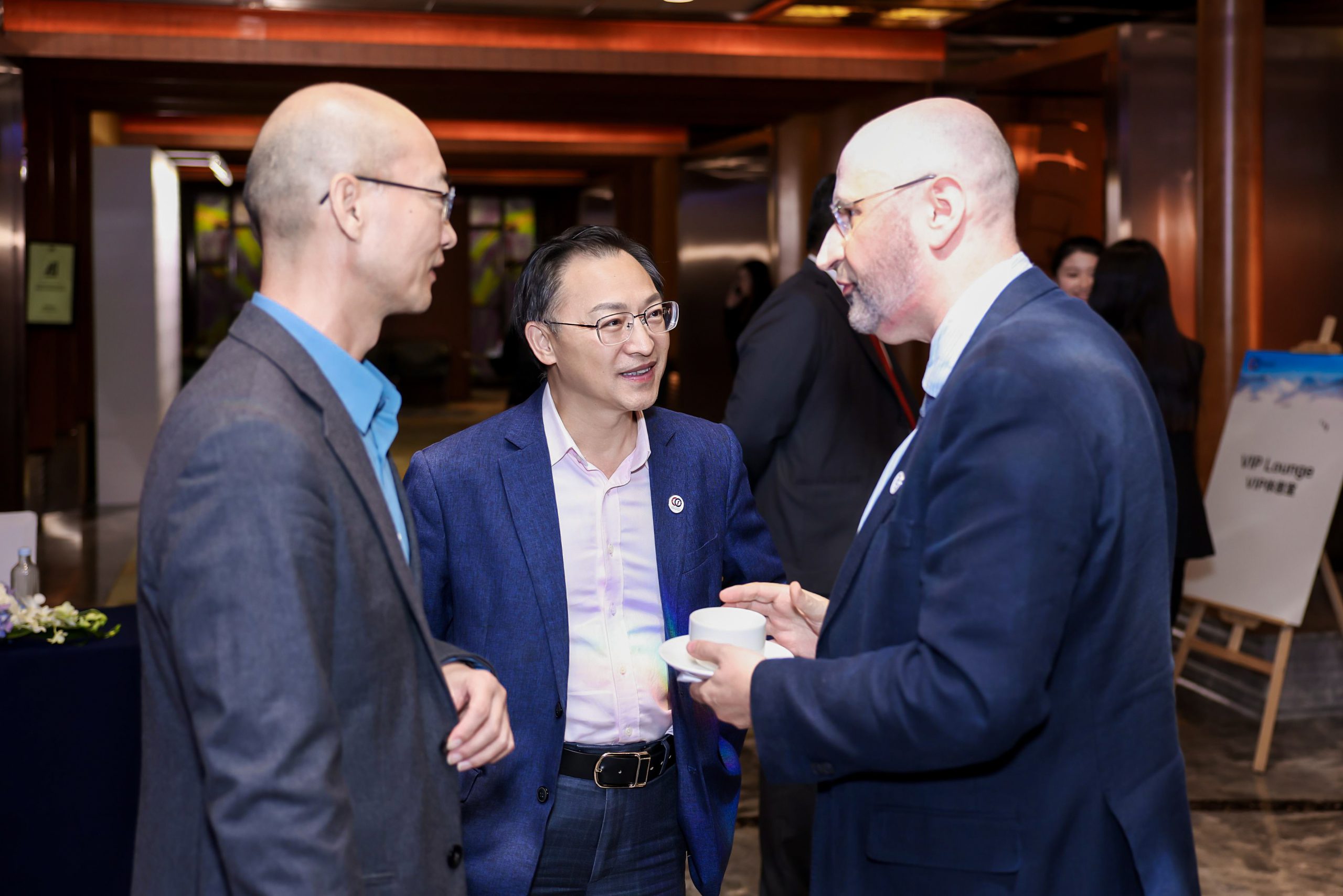
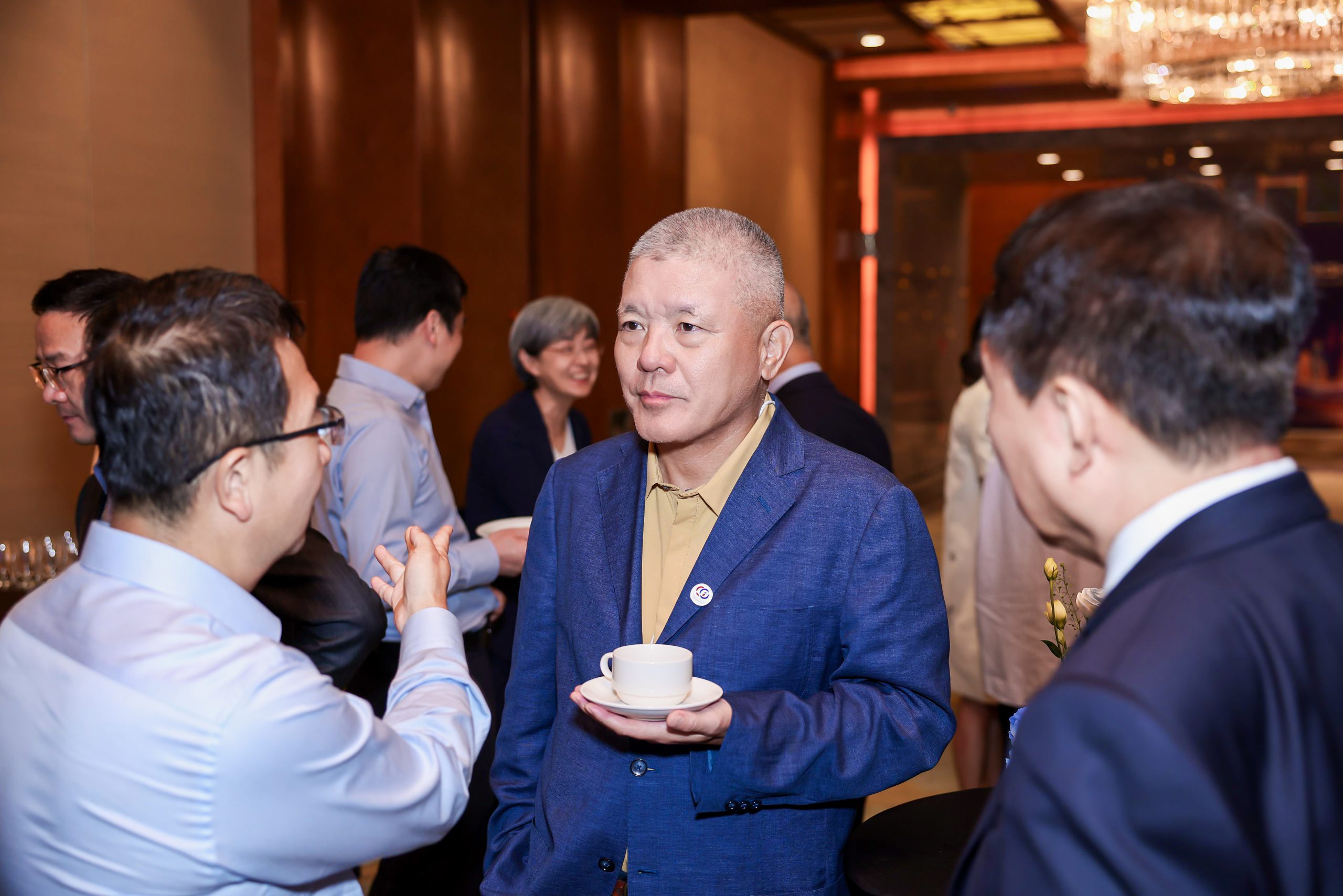
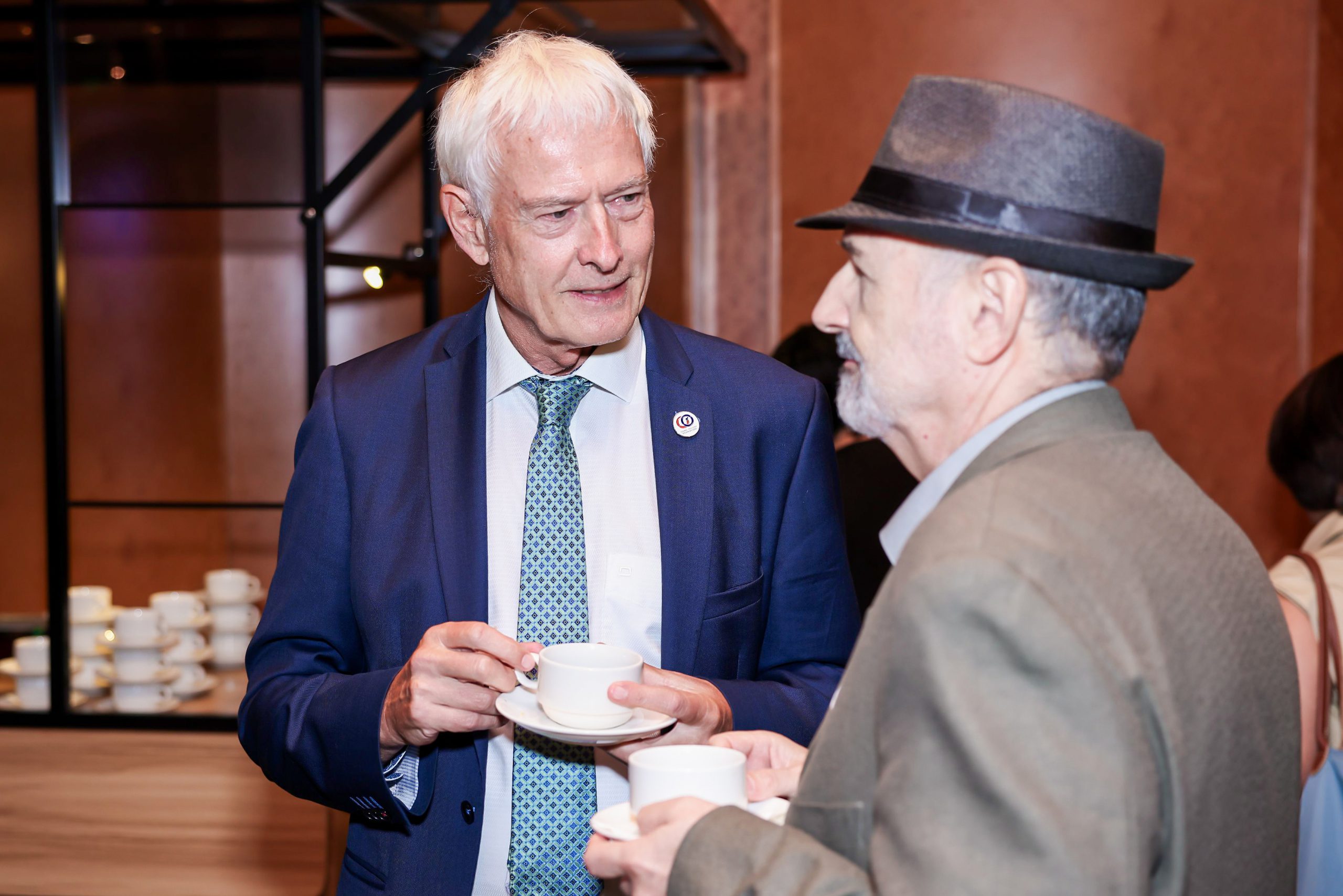
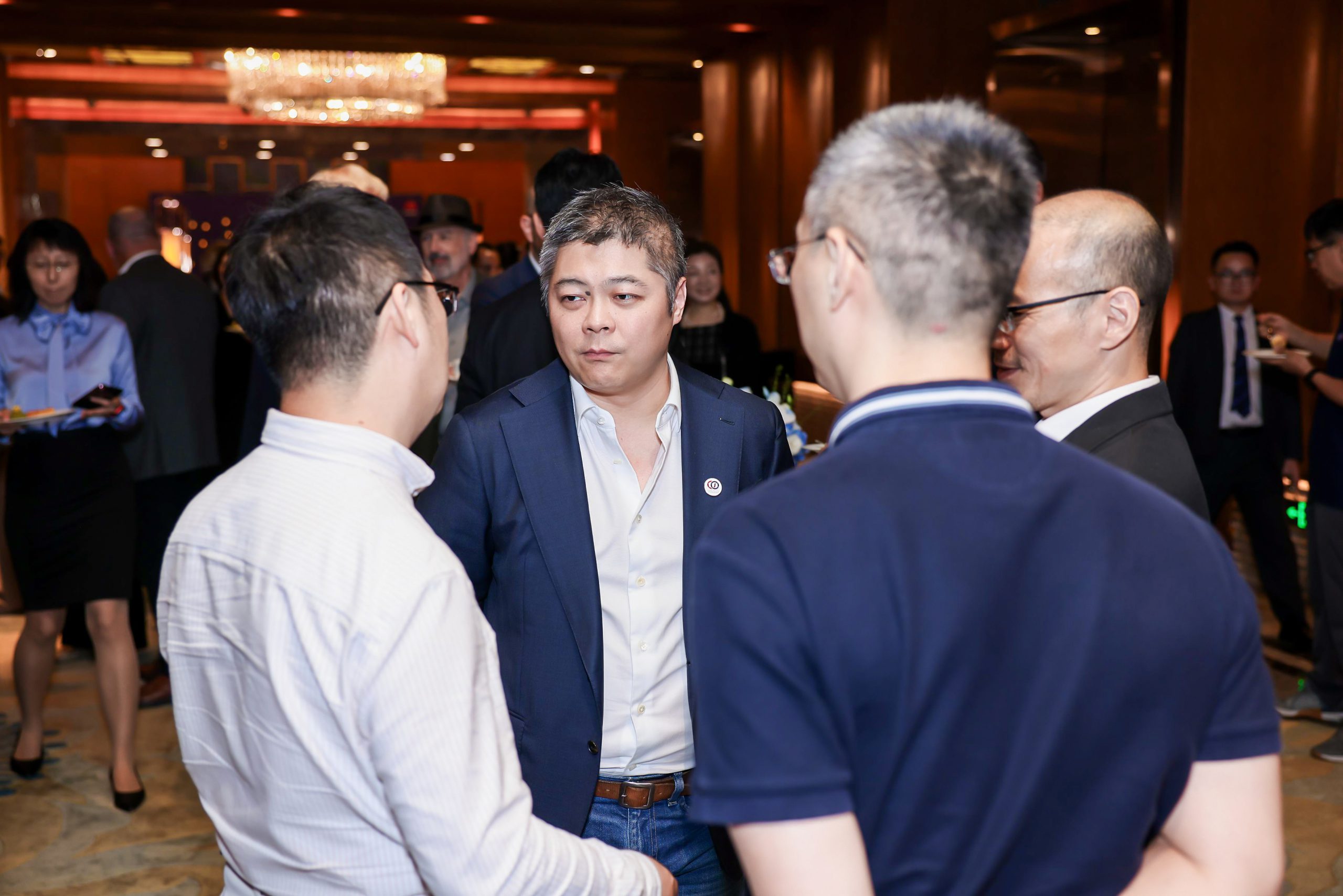
Al is advancing by leaps and bounds, with noticeable development in both research and applications across areas like deep learning, robotics, and industry-specific foundation models. Al uptake is driving digital and intelligent transformation across industries. Focusing on Intelligent Transformation of Industries in the Al Era, the 16th GIO Roundtable took place in Shanghai from 15:00 to 19:00(UTC+8) on September 18. This roundtable discussed how intelligent transformation is changing different industries, as well as what key technologies, standardizations, and ecosystem demands must be met to fully embrace the Al era.

Agenda

Moderator:Juergen Grotepass
Opening
15:00 – 15:05
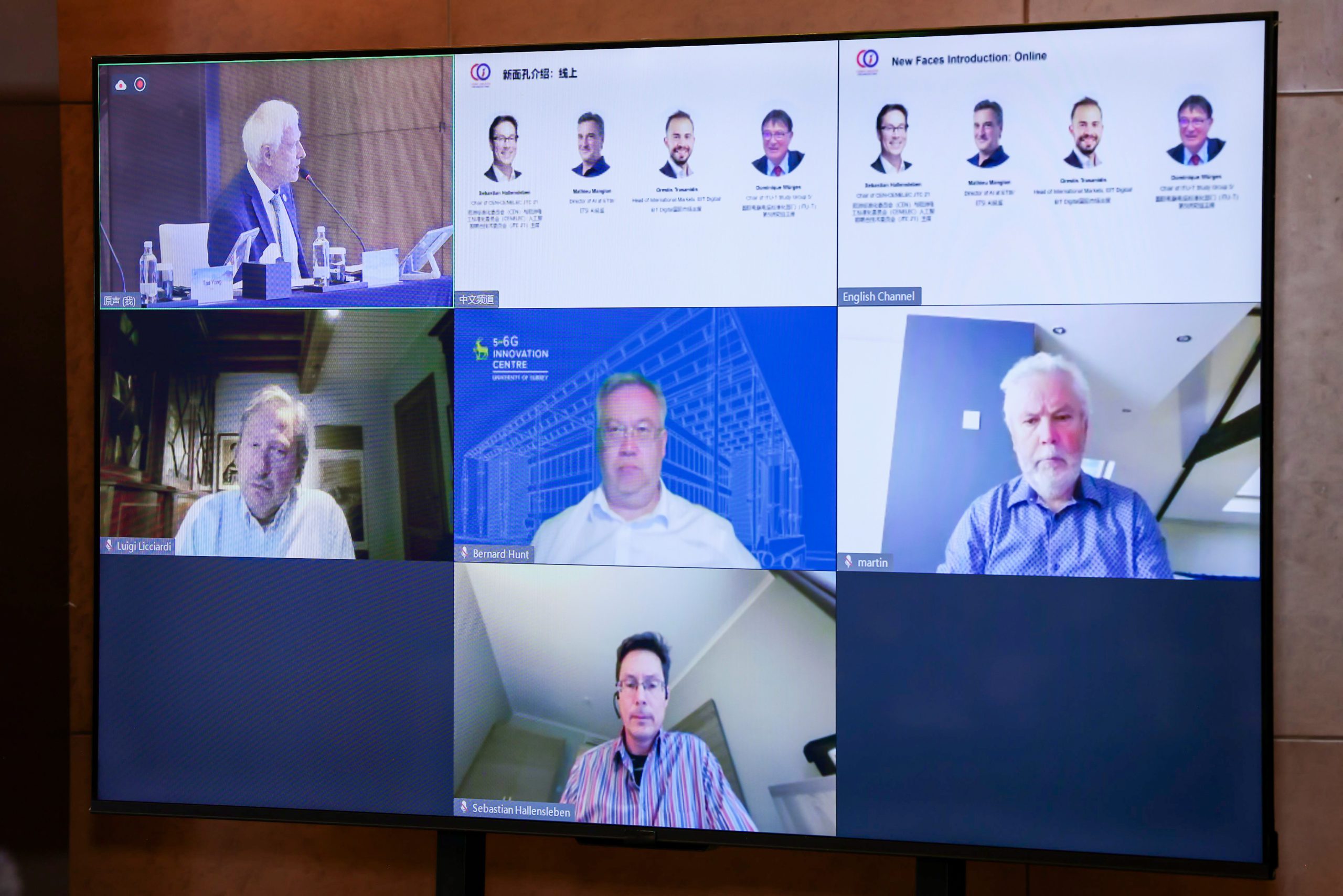
Introducing New Faces
Juergen GrotepassSCI4.0
15:05 – 15:10
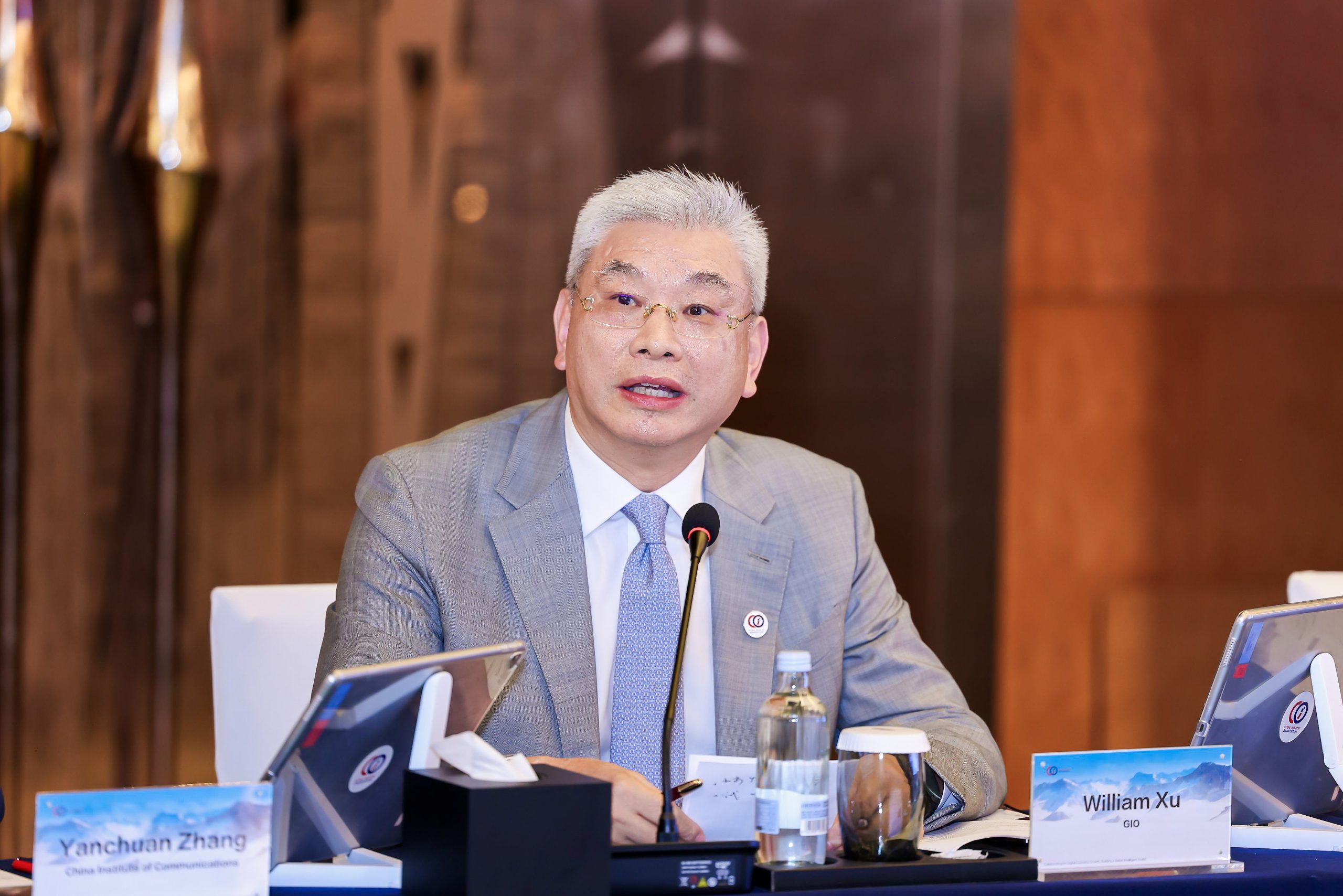
Opening Remarks
William XuGIO Chair
Future outlook
15:10 – 15:25
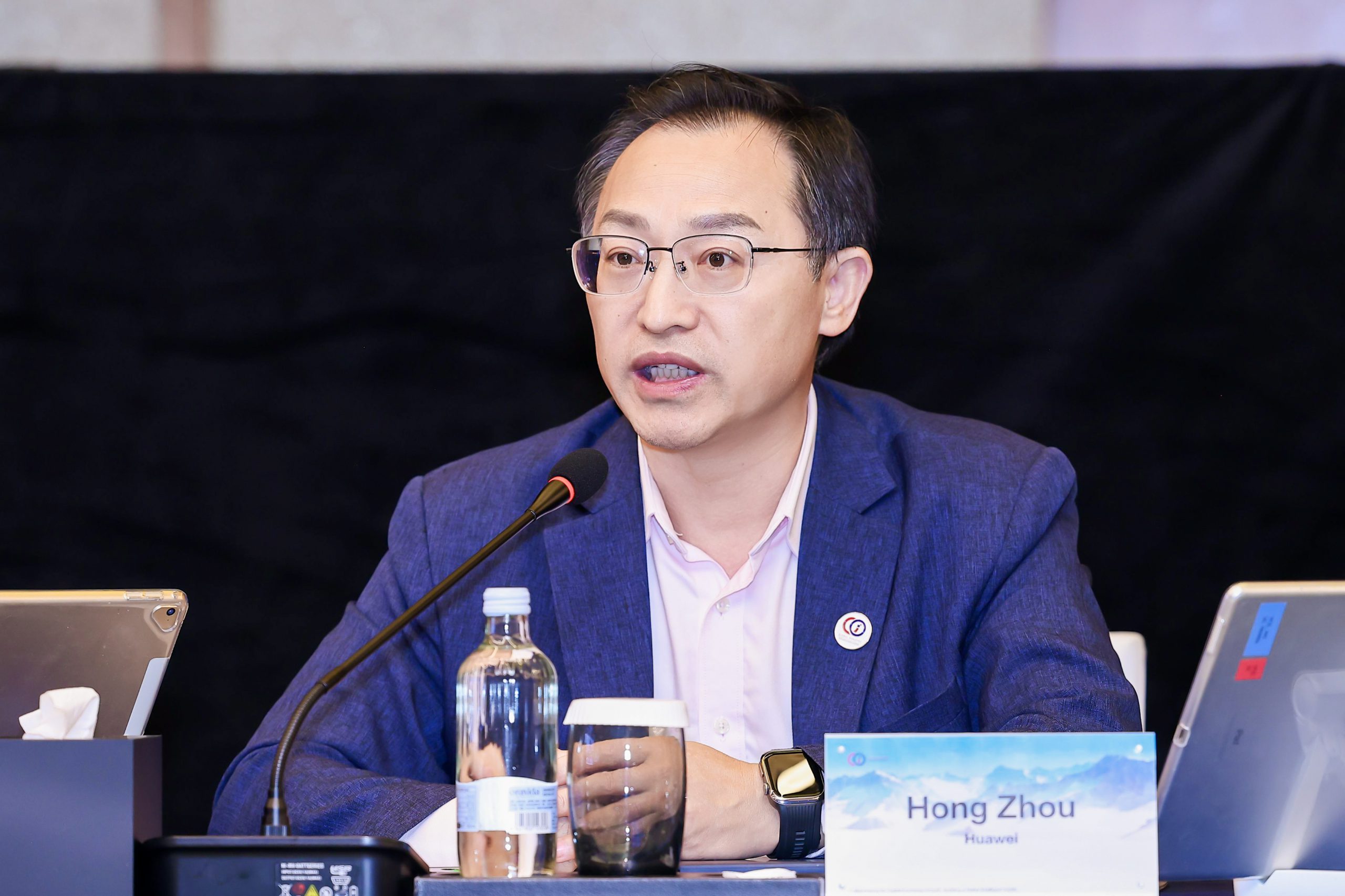
Intelligent World 2035
Hong ZhouHuawei
AI-powered industrial innovations
15:25 – 15:40
Empowering Industrial Innovation: From Virtualization to AI-enabled Ecosystems
Ulrich LeideckerPhoenix Contact
15:40 – 15:55
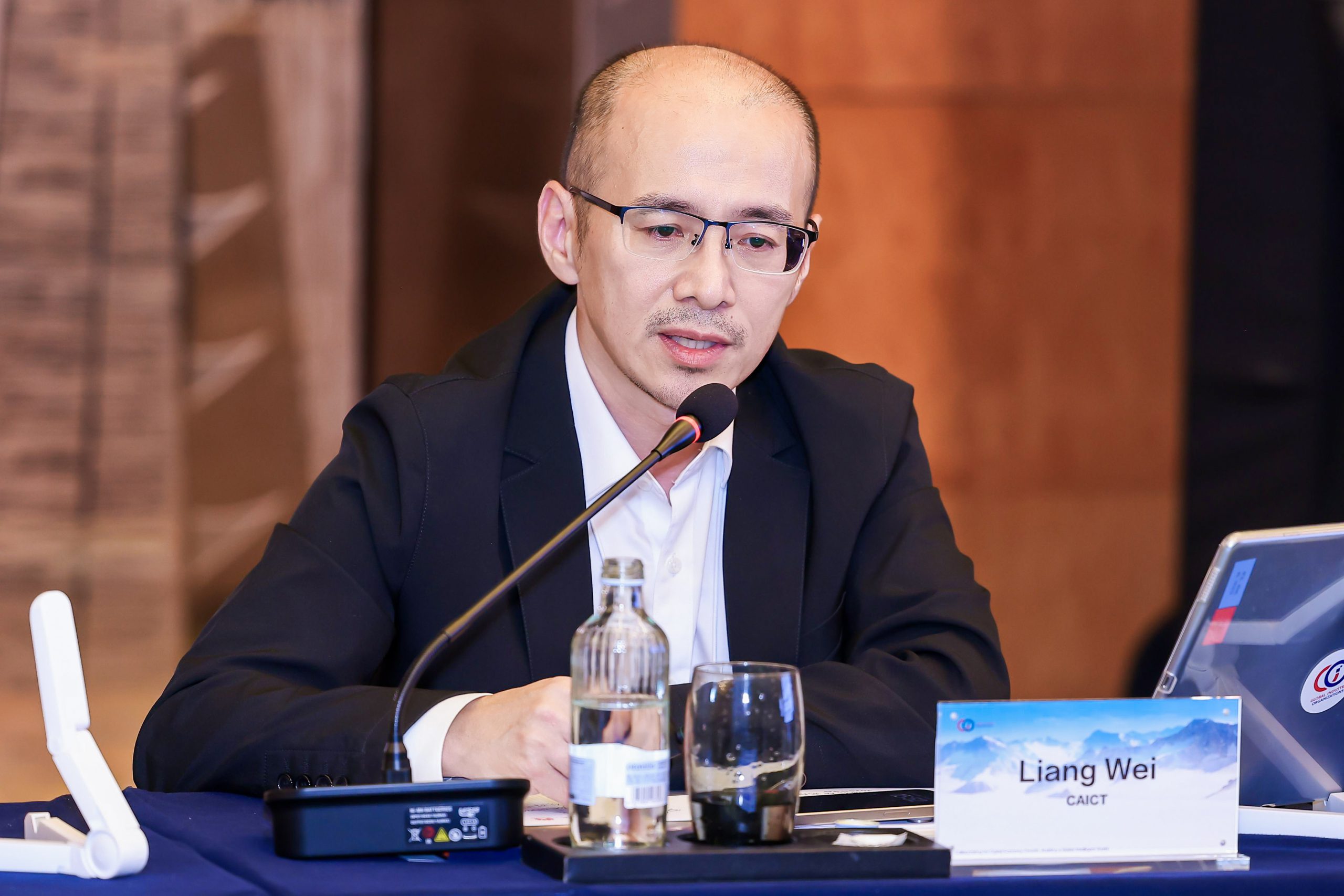
Trends in Manufacturing and AI Convergence
Liang WeiCAICT
15:55 – 16:10
Wearable and AI for Hypertension: The Cardiologist View
Pim van der Harst Utrecht University
16:10 – 16:25
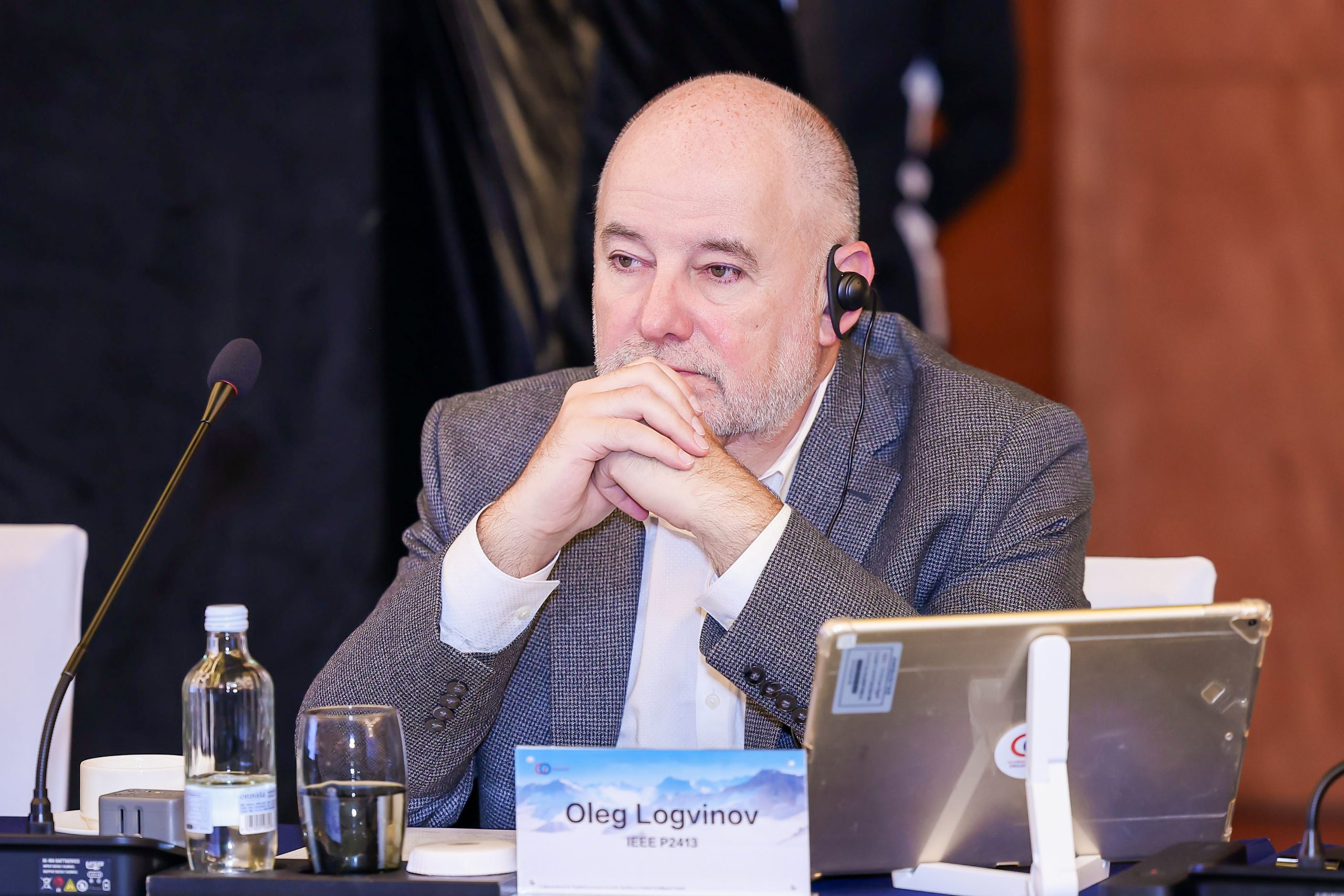
AI and Electric Power: How IoT Can Rearchitect the Power Distribution Without Rewiring it
Oleg LogvinovIEEE and IoTecha
16:25 – 16:40
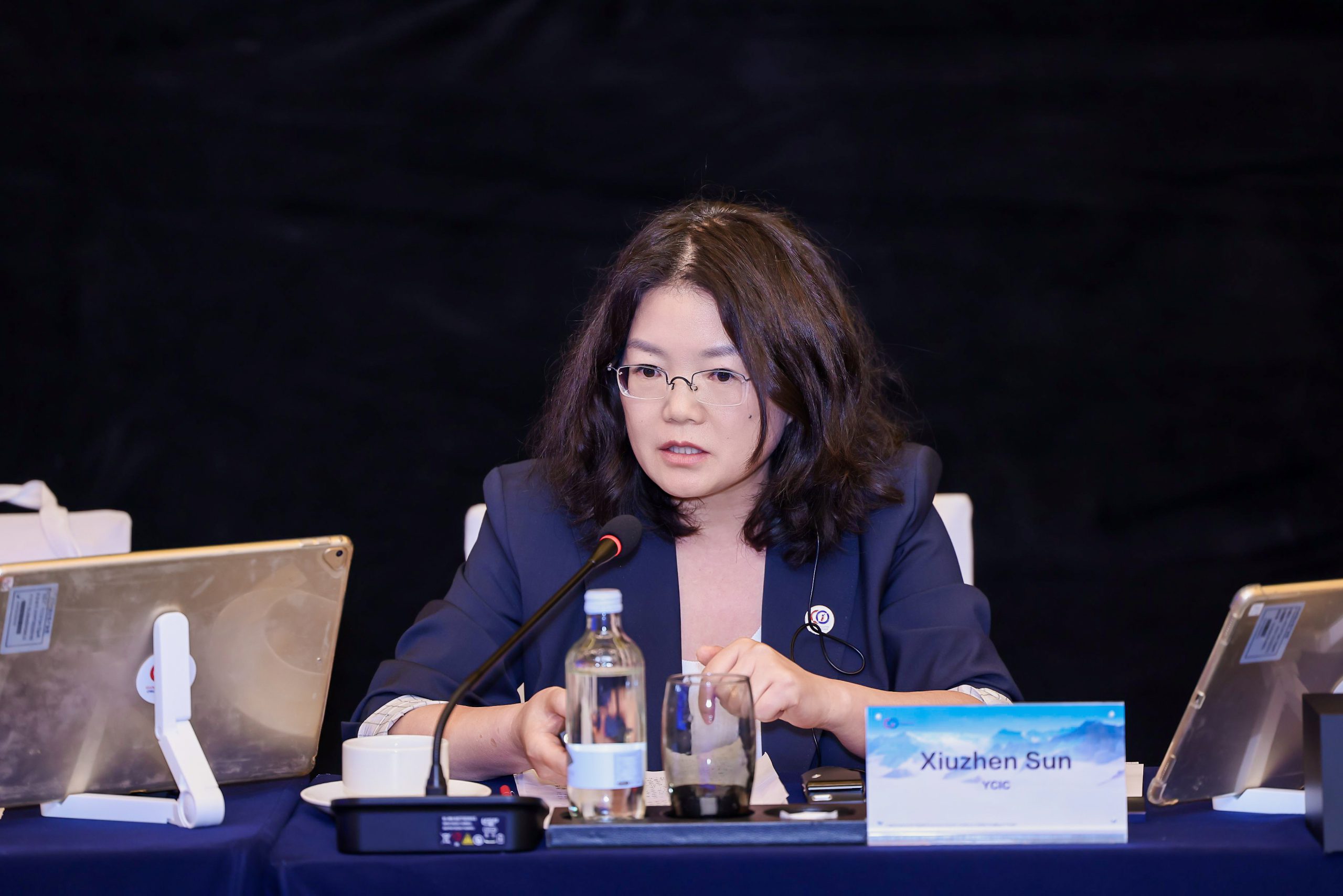
Practices and Thoughts on Traffic Models
Xiuzhen SunYunnan Communications Investment & Construction Group Co., Ltd.
16:40 – 17:00
Open discussion 1: Industry Development Bottlenecks to Be Addressed in the Intelligent Transformation of Industries
All
Coffee Break
17:00 – 17:15
Coffee Break
Key technologies, standards, and ecosystems in the age of AI
17:15 – 17:30
ITU’s Role in Shaping AI and Environmental Sustainability Standards
Dominique WürgesITU-T
17:30 – 17:45
Update from the European AI Standardization Ecosystem
Sebastian HallenslebenCEN-CENELEC
17:45 – 18:00
TM Forum on a Mission: Driving Commercial Industry Initiatives with Autonomous Networks
George Glass TM Forum
18:00 – 18:10
Securing AI: ETSI’s Approach to Building Trust
Mathieu MangionETSI
18:10 – 18:20
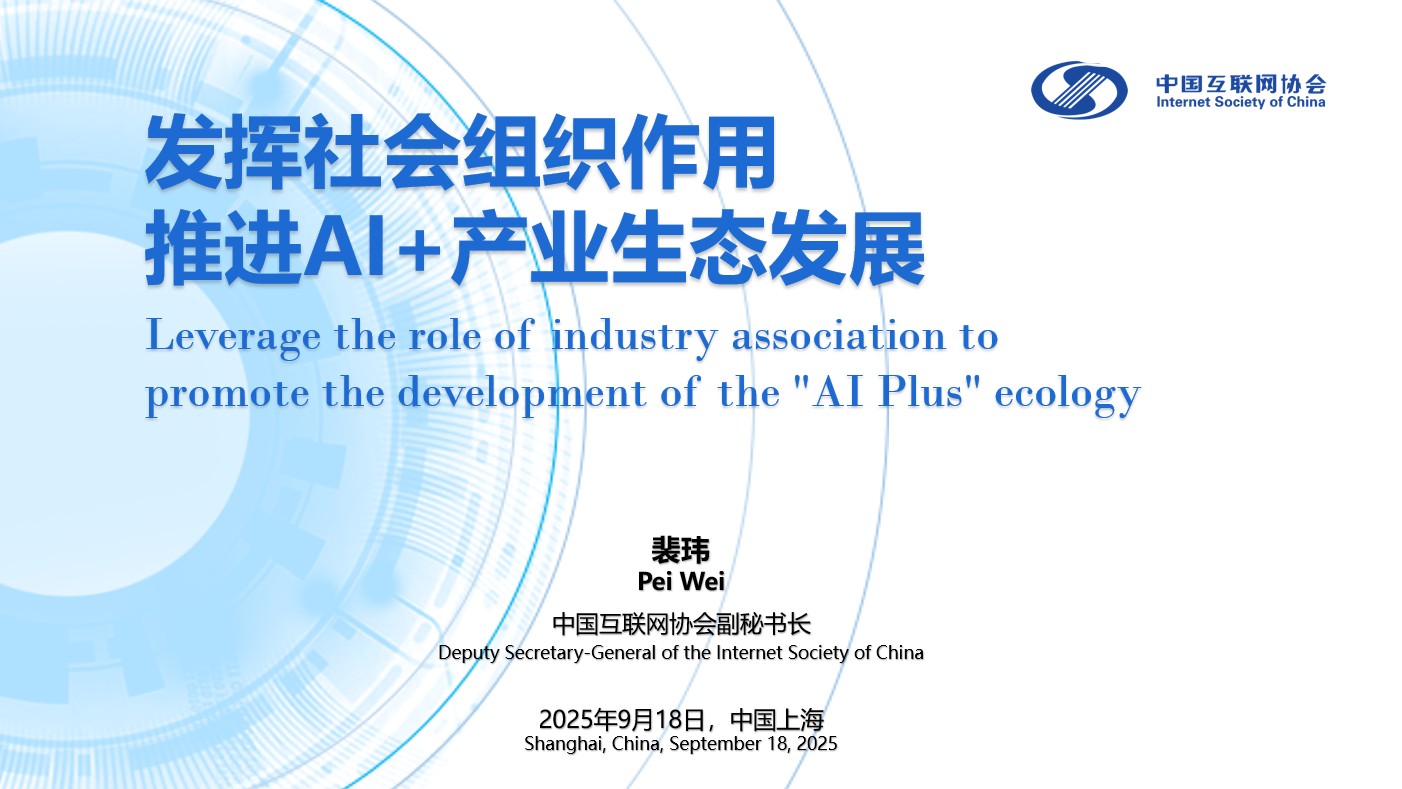
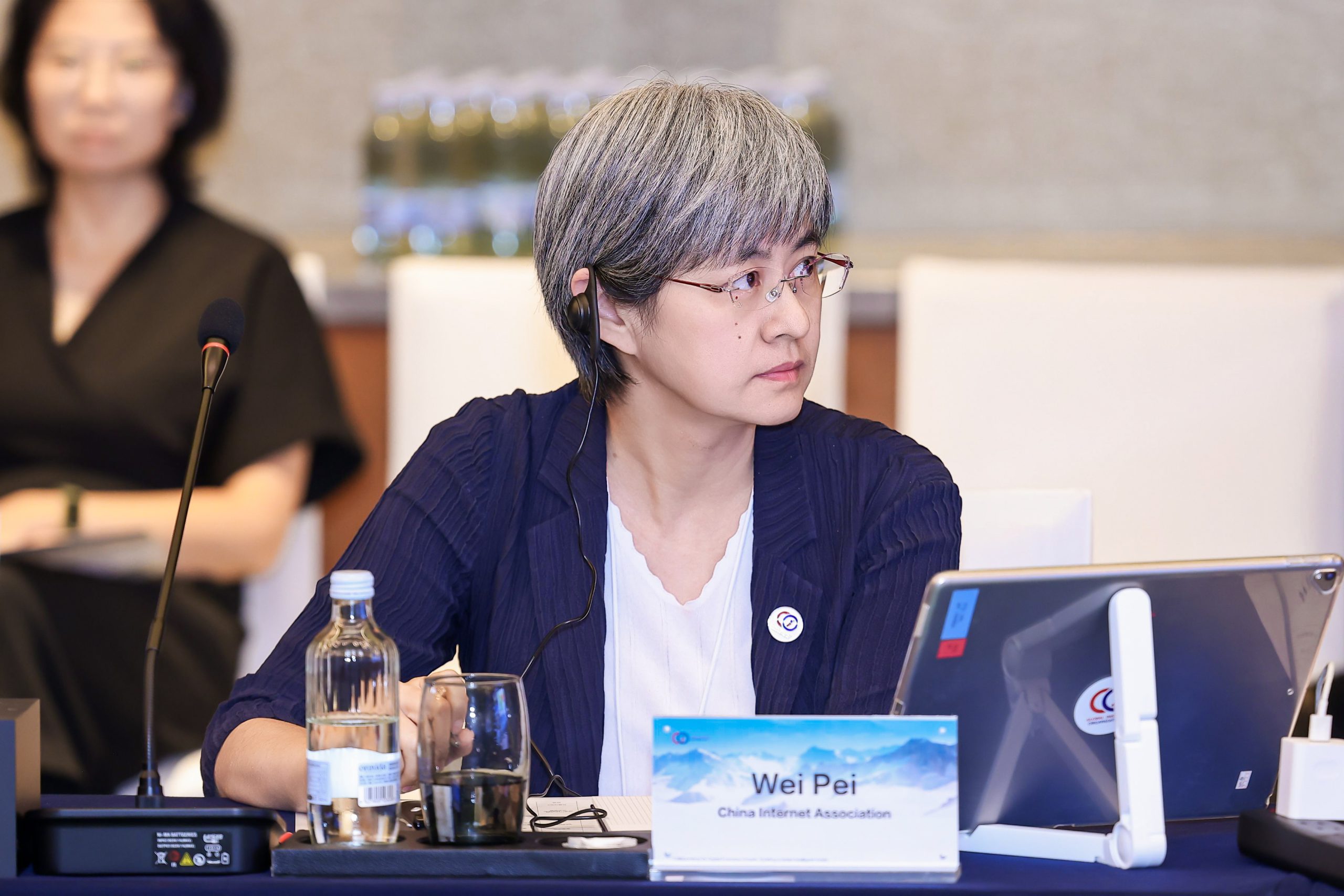
Leverage the role of industry association to promote the development of the “AI Plus” ecology
Wei PeiInternet Society of China
18:20 – 18:30
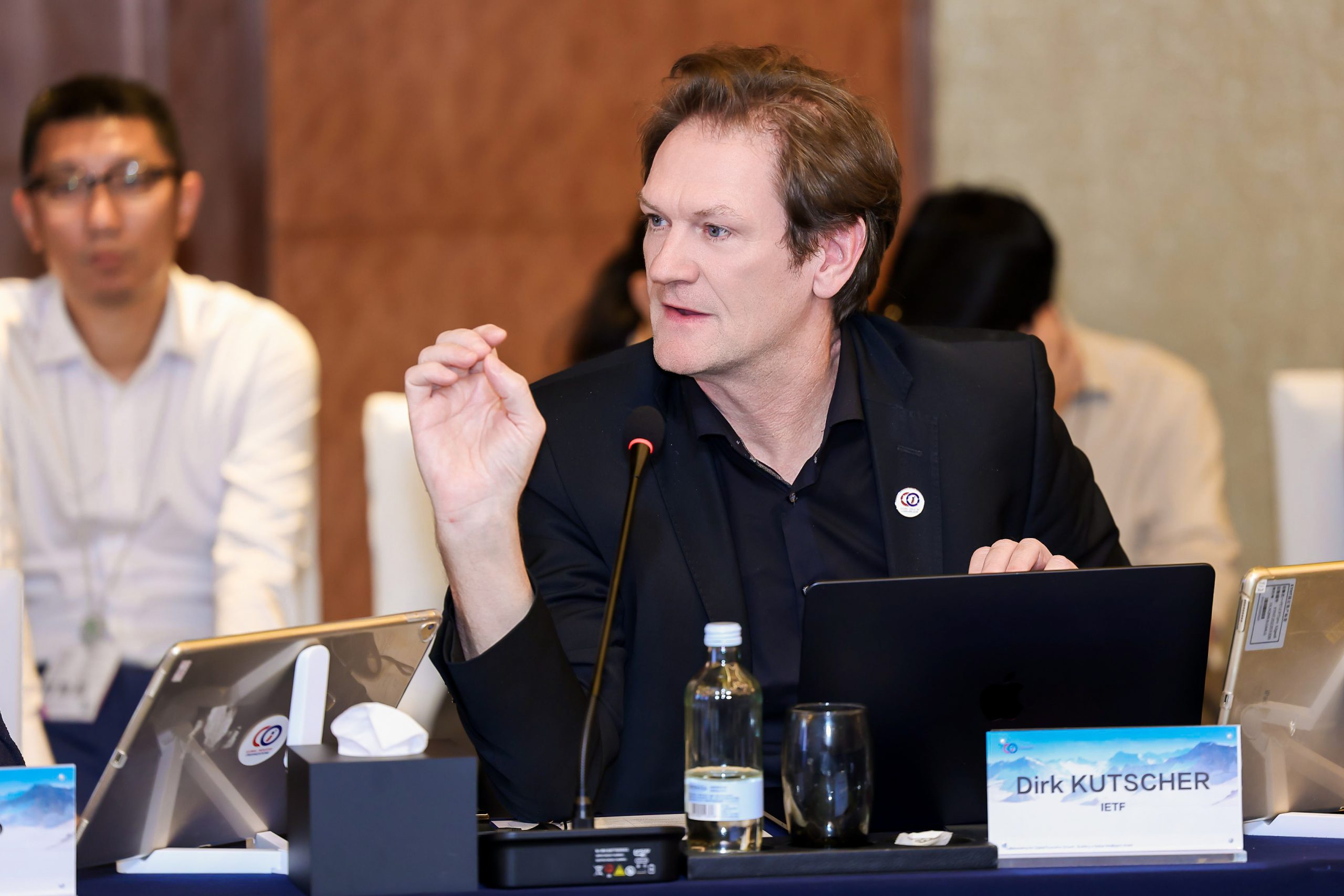
Internetworking Challenges for AI
Dirk KutscherIETF
18:30 – 18:55
Open discussion 2: Practices and Explorations by Other Industry Organizations in Standardization and Ecosystem Development in the AI Era
All
Closing
18:55 – 19:00
Summary and Closing Remarks
Juergen GrotepassSCI4.0
Expert View
Hong Zhou
Huawei
Huawei is developing ICT infrastructure and smart devices, including smartphones, wearables, tablets, personal computers, home devices, products, and communication networks. We focus primarily on the integration of communication and computing to provide intelligent solutions that serve over 3 billion users in more than 170 countries and regions around the world. Looking ahead, we believe there is a great opportunity for us to develop better information solutions for humanity. Together with our partners, we have explored all these potential technological leaps and summarized ten major technological transitions toward an intelligent world by 2035. These insights have been published on the website of www.chaspark.com. We welcome collaboration from everyone! With the advancement of cutting-edge information and intelligent technologies, we aspire to work alongside our partners to elevate human civilization — from an Earth-bound society to an interplanetary one.
Ulrich Leidecker
Phoenix Contact
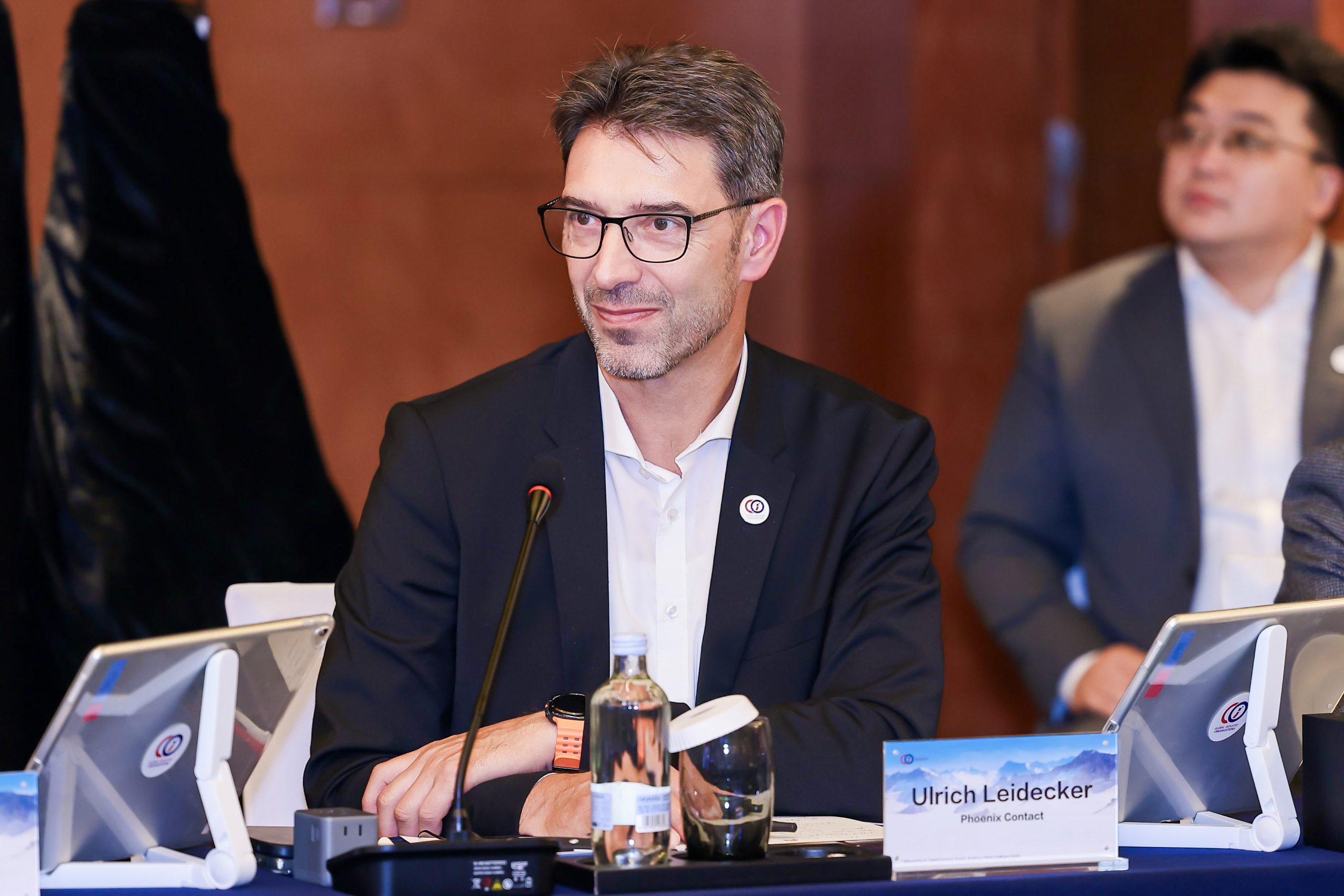
Driven by virtualization, the convergence of IT and OT, and the rise of open collaborative ecosystems, industrial innovation is accelerating. While artificial intelligence plays a significant role, it is the combination of openness, integration, and an innovative culture that truly empowers the next generation of industrial systems.
Liang Wei
CAICT
Currently, artificial intelligence has become a key factor in technological and industrial revolutions. The fundamental logic driving digital transformation has shifted from data connectivity to intelligent emergence, propelling manufacturing from shallow-level intelligence based on “data insights” to deep-level intelligence characterized by autonomous decision-making. In the future, AI will be fully integrated into core industrial areas, driving innovation and transformation in R&D with self-discovery as its hallmark, transforming manufacturing models through self-organization and self-optimization, revolutionizing products and equipment with self-perception and self-decision-making capabilities, and advancing software development with intelligent decision-making and interaction.
Pim van der Harst
Utrecht University
In the era of AI, the role of cardiologists is undergoing a transformation — from traditional clinicians to integrated practitioners, and then to data-driven managers. In the future, they will also take on roles such as algorithm regulators and AI interpreters. They need to acquire new skills, including optimizing treatments and remote monitoring. Currently, guidelines in many countries have set stricter targets for blood pressure control and emphasize the importance of out-of-office blood pressure measurements. To achieve AI-driven hypertension management, relying solely on technology is not enough. There needs to be clinical trials and guidelines, clear regulation to build trust, and a robust healthcare reimbursement system.
Oleg Logvinov
IEEE / IoTecha
Transformer is the heart of distribution system. We have an old power distribution system that is now being faced with new challenges stemming from billions of kilowatts of new energy supply, new loads that act completely unpredictably and work in a completely different way. We effectively replaced the old heart of the distribution network that was transformer with a new heart, the heart comprised of IoT and AI. That enables us to create very reliable data sets in real time. It enables us to create reliable models that rely on reliable data sets. That is all enabled by communication and high-quality data. From the old distribution network to the new distribution network, without additional copper, that’s what we hope for. That’s what we’re working on.
Xiuzhen Sun
YCIC
In the research process of large models, it is essential to adhere to a goal-oriented approach, driving the integration of industry mechanisms and AI models based on valuable scenarios to solve industry challenges and accelerate the implementation of intelligent solutions in the industry. At the same time, we must focus on managing and optimizing technical architectures and jointly building data sharing systems.
Dominique Würges
ITU-T
GIO event timing did perfectly fit with the increasing development of AI. The session was an excellent opportunity for SDOs representatives to present their activities in various domains related to AI, allowing cross exchanges and collaborative actions. On behalf of ITU, I presented the ITU activities on AI related topics, highlighting the standardisation work on the environmental effect of AI systems, including data centers, one particular point currently gaining momentum, and the need for international collaboration.
Sebastian Hallensleben
CEN-CENELEC
The new legislative framework serves as a bridge between regulation and standards. This is a matter of division of labor: Regulation defines our goals and high-level requirements, such as the need for transparency in high-risk AI systems, or the requirement for very good documentation, or cybersecurity, or human oversight; but how to achieve these goals is the task of standardization.
George Glass
TM Forum
Autonomous Networks will unleash a step-change in customer experience, business velocity, profitability, and new services by unlocking the power of seamless end-to-end autonomous operations. AI & Data innovation is an enabler to drive industry transformation to an AI-Native Telco Era. This is proven in commercial deployments in China Mobile – supported by Huawei.
Mathieu Mangion
ETSI
AI is now in all the ETSI domains, all the telecommunication and ICT domains. ETSI TC Securing AI (SAI) has established itself as the definitive authority on AI security standards. TC SAI addresses AI security from four complementary angles, ensuring comprehensive protection across all dimensions of artificial intelligence deployment: securing AI from attack, mitigating against AI, using AI to enhance security and ensuring trust, safety, and responsible use of AI in society. ETSI’s progress will shape practices and provide a common foundation for trustworthy AI globally in the ICT world and more globally in the industry.
Wei Pei
ISC
“AI+” calls for ecosystem collaboration across the entire industry chain. The underlying algorithms, data, computing power, talent, and applications must work together to ensure that the AI industry can stand firm and thrive. In July 2025, the China Internet Association, together with 11 other organizations launched the “Intelligent Agent Innovation Promotion Plan”. Moving forward, we hope to have more and better collaborations with the industry to facilitate the practical implementation of AI and support the continuous and healthy development of the industry.
Dirk Kutscher
IETF
Research on the impact of AI crawlers has led to significant traffic waste, such as AI preferences. Agentic AI is also a topic of great interest to us now. There are many platforms and frameworks being developed collaboratively by users and enterprises to create a unified standard that will allow agents to communicate with each other in the future.

Documents
Snapshots