The 12th GIO Roundtable

Events Introduce
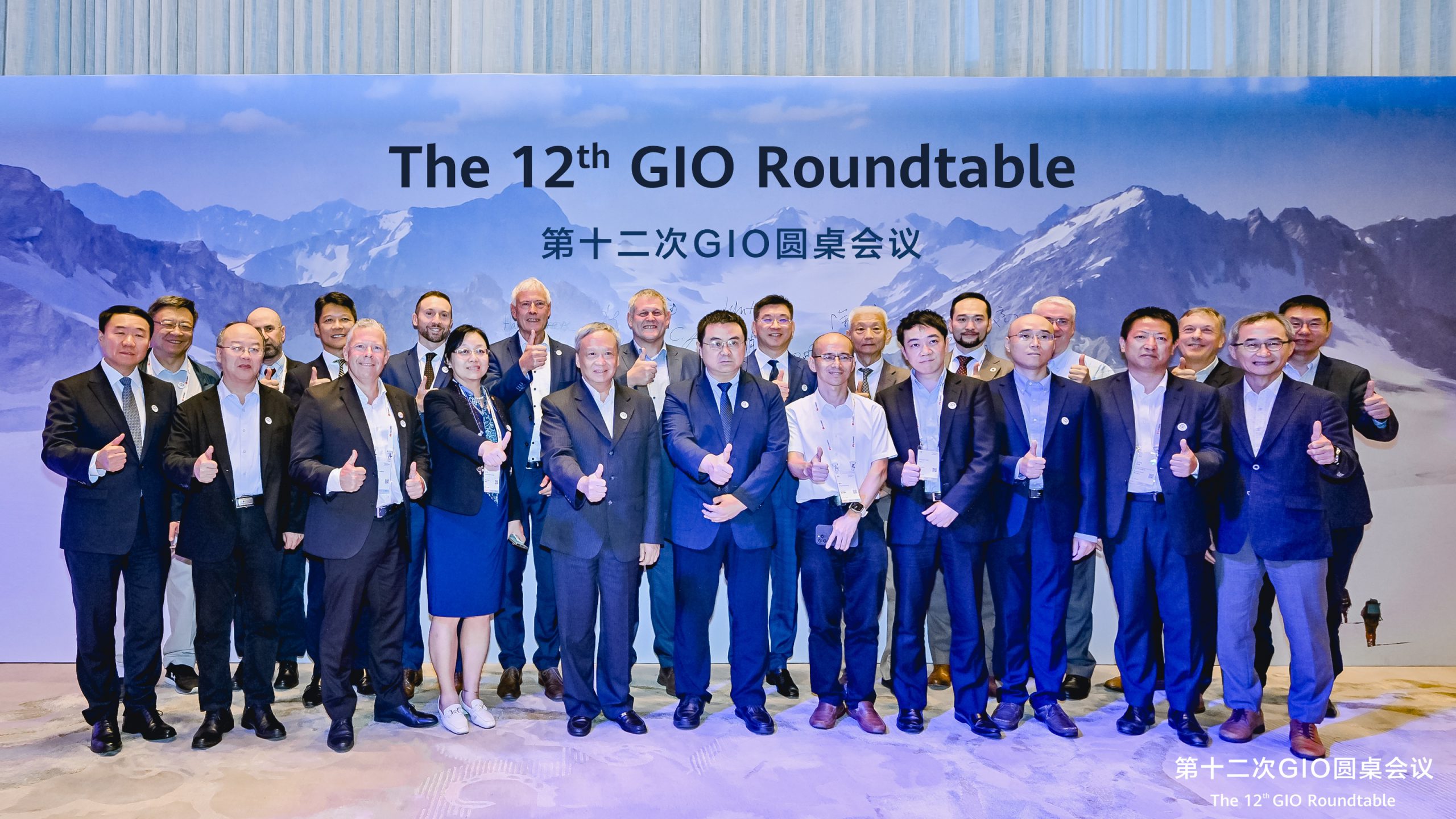
The 12th GIO Roundtable was held on September 20, 2023. The theme of this year’s discussion was “Fast-tracking Industry Digitalization with AI “. With the launch of ChatGPT, AI has drawn unprecedented attention as an enabling technology, spurring all industries to pick up the pace towards digital and intelligent transformation. Top industry organizations in all regions and sectors are working together to promote the application of AI, speed up standardization, and foster an industrial environment more conducive to AI adoption. We also explored how industries in China and Europe are navigating AI governance, discussed the role of industry organizations in digitalization, and examined the collaborative models needed to drive further progress.

Agenda
Moderator: Juergen Grotepass
Opening
09:00 – 09:05
New Faces Introduction
Juergen Grotepass
ZVEI
09:05 – 09:10
Opening remarks
William Xu
Tim Banham
GIO Chair
GIO Co-Chairs
AI application,standardization, and progress in different industries
09:10 – 09:30
AI Empowers High-Quality Development of the Digital Economy
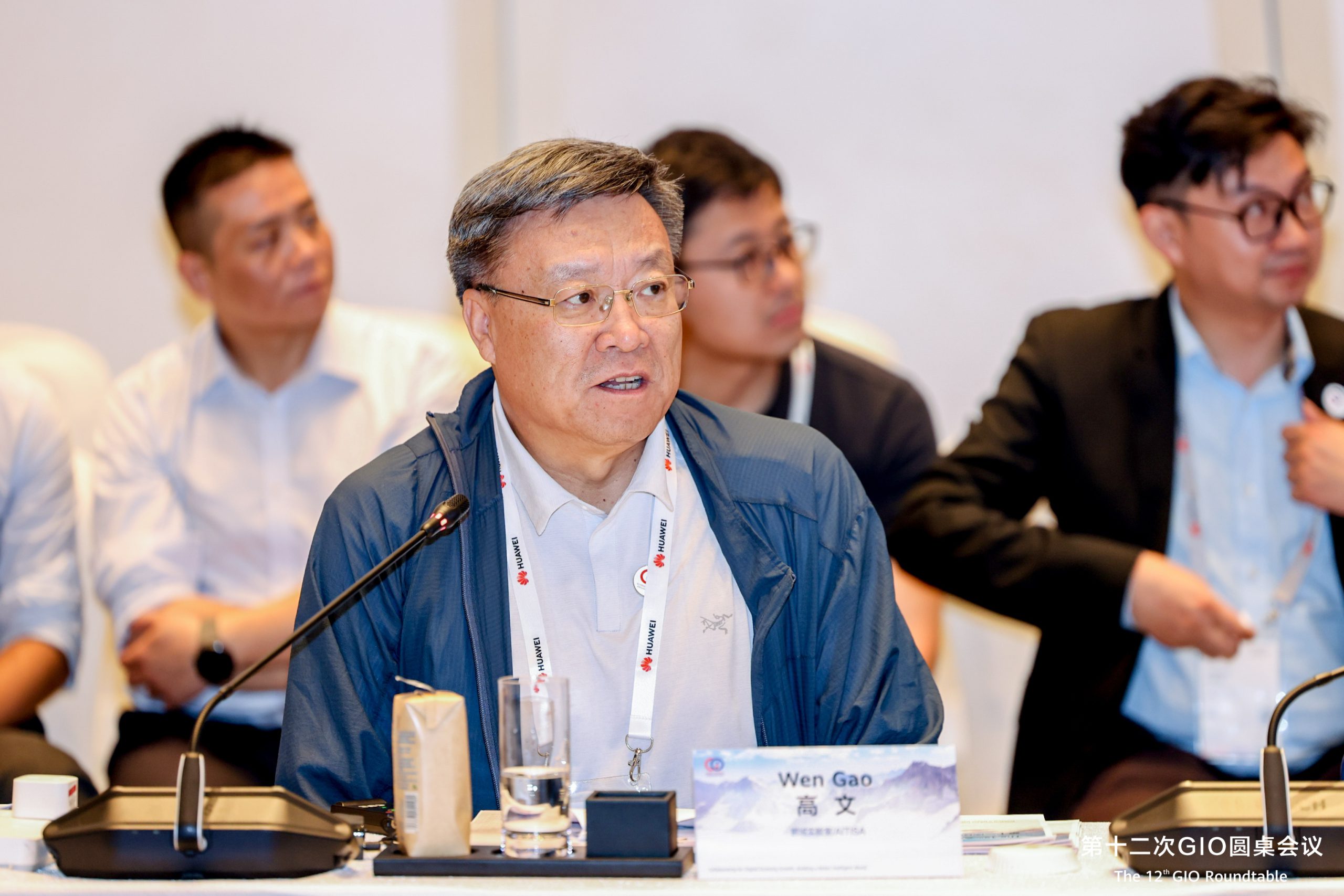
Wen GaoAITISIA
09:30 – 09:50
AI for Manufacturing
Chuck ByersIIC
09:50 – 10:10
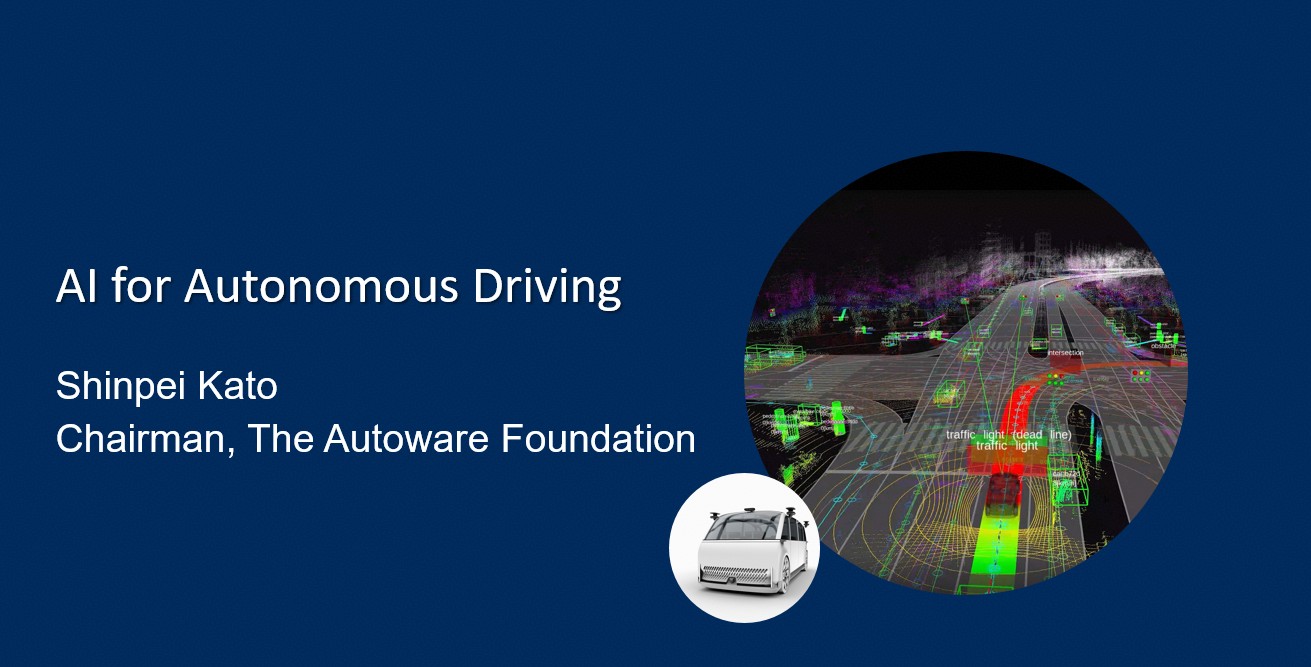
AI for Autonomous Driving
Shinpei Kato The Autoware Foundation
10:10 – 10:30
AI for Telecommunication
Luis Jorge RomeroETSI
10:30 – 11:10
Open discussion 1:
Role of Industry Organizations and How They Can Better Collaborate in AI-enabled Digitalization
All—
Coffee break
11:10 – 11:20
Coffee break
Building a safe and trustworthy AI industry environment
11:20 – 11:35
AI Engineering: Laying a Trustworthy and Intelligent Foundation for Industries
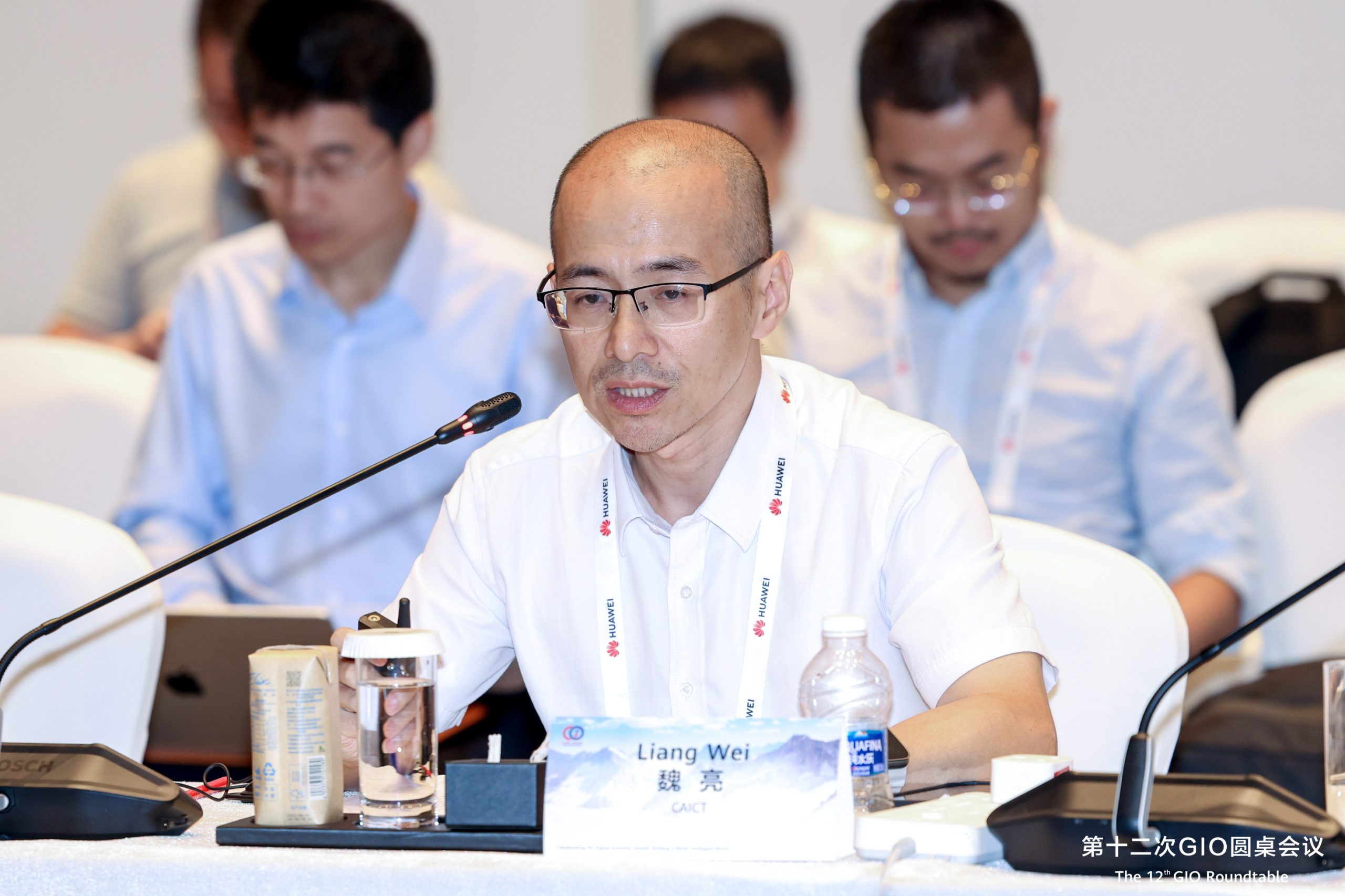
Liang WeiCAICT
11:35 – 11:50
Managing AI Risks while Harnessing Its Benefits: Measuring Progress
John HigginsGlobal Digital Foundation
11:50 – 12:05
Driving Sustainable Development of AI – a Perspective from Mobile Industry
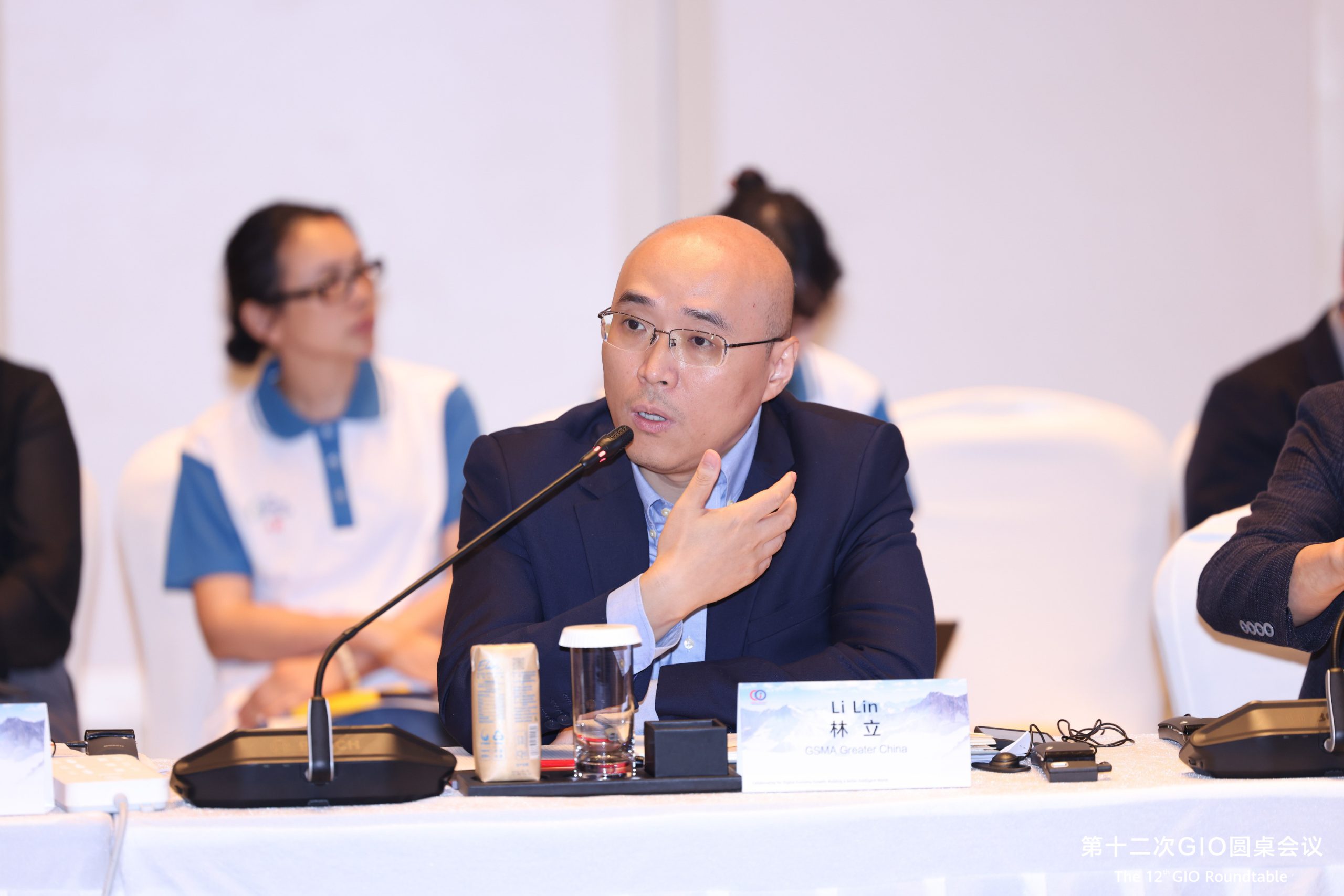
Li LinGSMA Greater China
12:05 – 12:45
Open discussion 2:
How Can Industry Organizations Support the Healthy, Sustainable Development of AI?
All—
Closing
12:45 – 13:00
Summary and closing remarks
Juergen GrotepassZVEI
Honored Guest
Expert View

William Xu
GIO Founder & Chair
GIO is an open communication platform that is accessible to all and aims to enhance communication and understanding between industry organizations. It is gaining support from an increasing number of industry organizations and has already released multiple white papers on digital transformation. The world is facing many challenges, such as those related to AI governance and how AI can enable industry digitalization, autonomous driving, ecosystem partners, blockchain, and Web 3.0. There are still so many challenges we must discuss and solve together.

Tim Banham
TM Forum
As one of the start-up organizations and founding members of the GIO, we’re really pleased to see how it’s evolved over the last six years. It’s really important that we work together to continue to drive the evolution of industries, leveraging the important technologies around AI. TM Forum has built lots of assets in this area and all around how we can enable network automation, intelligence, and those vertical industries that are so important to the growth of this connectivity industry.

Wen Gao
ATISA
Computing power, especially intelligent computing power, will be a key source of productivity in the digital age. It will serve as a foundation for national economic and social development. For computing power to support the digital economy, computing networks will need to be connected and be seen as critical infrastructure.

Chuck Byers
Industry IoT Consortium
Artificial intelligence will influence many aspects of life. In manufacturing, it will have a deep impact on quality, productivity, cost, efficiency, agility, safety, environmental and labor aspects of factories and supply chains. When integrated with IoT sensors, actuators, edge computers, Internet, cloud and digital twins, powerful new capabilities result. As with all disruptive technologies, AI has good and bad impacts. Organizations like OMG and GIO can help establish guiderails for AI.

Shinpei Kato
The Autoware Foundation
AI technologies are becoming increasingly important in the autonomous driving industry. The Autoware Foundation has been taking proactive leadership in pushing forward open source strategy to widely address the concerns and solve problems by providing frameworks and platforms for the community to develop autonomous driving systems and utilize the new AI technologies.

Luis Jorge Romero
ETSI
AI will be an inevitable component of our future telecommunication networks, through all the elements in the telecoms chain. Unwanted misbehavior of AI should be avoided, and people should be taken care of, for which security is a must and testing will be fundamental to ensure compliance. Global cooperation and coordination in standards are key to enable healthy growth of AI. ETSI is fully committed and contributes to all the steps.

Liang Wei
CAICT
AI engineering systems are built on four pillars: AI tools, data governance, operations management, and risk management. We look forward to building consensus on AI engineering with standards organizations across industry and academia, so that we can jointly promote AI engineering, introduce it into the end-to-end AI R&D process, and develop full-stack technologies and tools. We will also need to focus on high-quality data supply, advanced operations management, and systematic risk management. Ultimately, we will remove barriers to AI application and speed up AI adoption across different industries.

John Higgins
Global Digital Foundation
The benefits of AI are becoming increasingly clear. But people and businesses are concerned about the risks. Fortunately, responses to the common risks such as lack of transparency, bias and security are being developed around the world. These responses take various forms such as regulations and standards and these share many common characteristics across different countries and regions. Organizations like Global Digital Foundation are working on usable frameworks that build on these responses. These frameworks will build trust in AI and will allow providers of good AI to deliver much-needed benefits to their customers.

Li Lin
GSMA Greater China
In the mobile industry, AI is having a profound impact on improving both connectivity and customers’ experience. Moreover, AI can better support the UN’s Sustainable Development Goals. GSMA is taking pro-active industry leadership in driving sustainable development of AI, by providing a common framework for international collaboration and by providing a strong governance structure and a self-assessment tool to bridge the gap between ethical principles and business practice. Industries, international communities and organizations need to work together to ensure the sustainable development of AI, and creates an environment where AI operates reliably, responsibly and fairly for everyone, and leaves no one behind.